
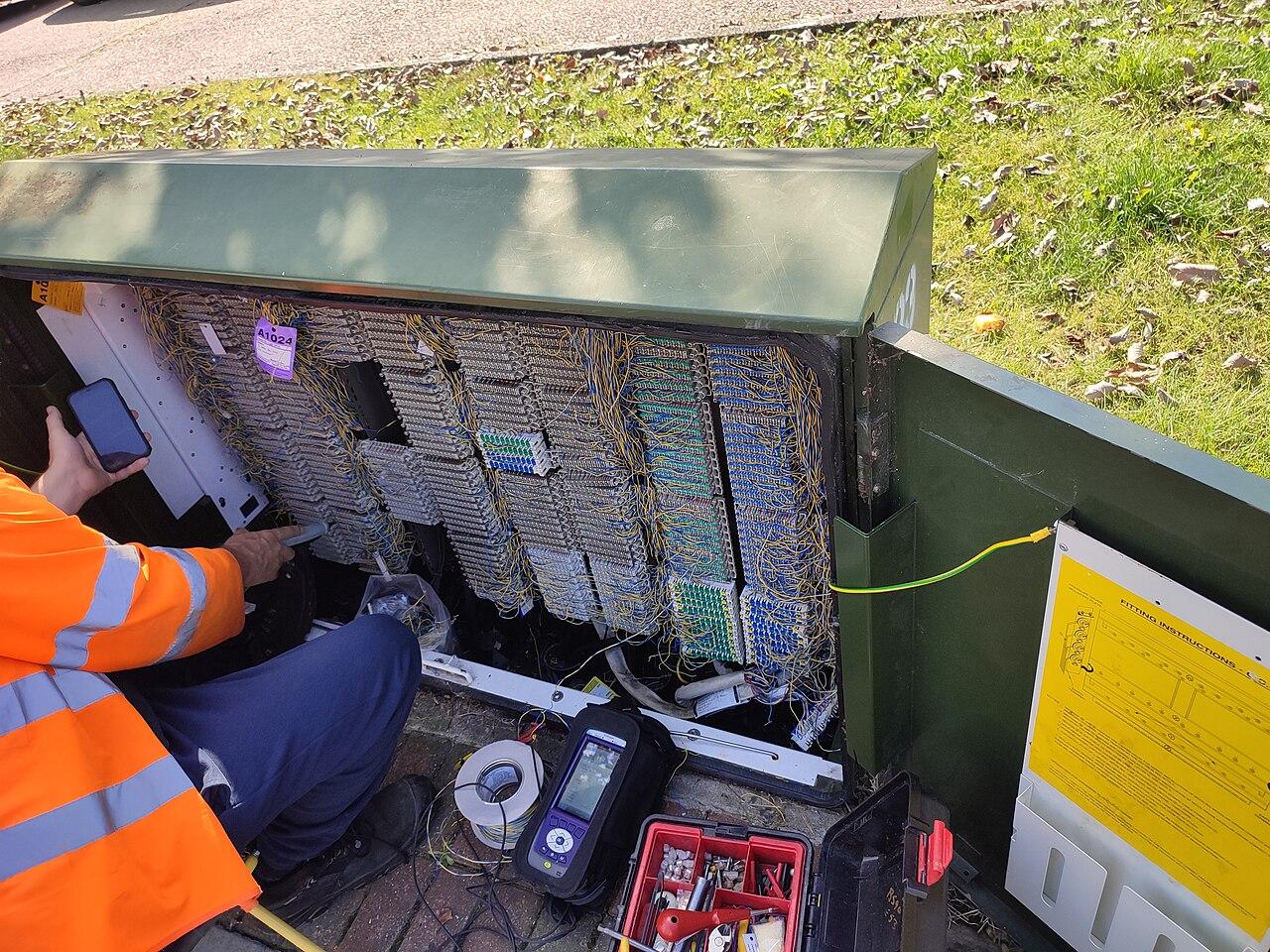
Build a rollback plan for a business fiber cutover
Preserve a usable starting state, set cutover decision times, and define the physical, configuration, and application checks needed to restore service.
Quick answer: A fiber cutover rollback plan identifies the last usable configuration, the conditions that trigger a return, and the steps required to restore service within the available window. It must account for physical connections, network configuration, and application checks. Keeping an old cable in place is useful only if the complete old service path remains available and can actually be restored.
An illuminated link indicator is an incomplete cutover result. The new fiber may carry traffic while an application, management connection, or required route still fails. The team needs time to investigate without consuming the entire window reserved for recovery.
Plan the return path before making the first production change. At that point, the old connections are still visible, the existing configuration can be captured, and the business can decide what outcome is acceptable. Those decisions become harder once users are waiting for service to resume.
Define what the cutover is changing
Write down the physical and logical changes separately. The work might replace a fiber path while retaining the same switches, move connections to different ports, introduce new optics, or accompany a broader network redesign. Each added change creates another possible reason for a failed acceptance check.
Identify which changes are necessary for this window and which can wait. If replacing a cable does not require a simultaneous software upgrade, combining them needs a clear reason. This is a planning judgment, not a universal prohibition: some projects have dependencies that require coordinated changes.
NIST SP 800-128 describes security-focused configuration management as managing and monitoring system configurations while supporting business functionality. Its stated scope is federal information systems, but the general discipline is useful context for a commercial change plan. It does not prescribe the fiber-specific steps below or make this article a compliance procedure.
For the cabling acceptance work that should precede a production move, consult the fiber testing guide. A cutover should not become the first opportunity to discover whether the installed passive link meets the agreed requirements.
Capture a usable starting state
Record the existing connection map with the actual panel and equipment-port identifiers. Include the relevant patching and identify the devices at both ends. Photographs can supplement the map, but glare, hidden labels, and bundles of similar cords make photographs alone unreliable recovery instructions.
Have the responsible network administrator preserve the appropriate configuration and verify how it would be restored. A file that exists somewhere is not necessarily current, readable, or sufficient for the devices involved. Consider management access and authentication dependencies without placing sensitive credentials in a broadly distributed cutover document.
Capture a small baseline of representative application behavior before the change. This helps distinguish a new fault from a problem that was already present. Choose checks that users recognize, such as completing an approved transaction or accessing a required internal application, rather than relying exclusively on a generic internet speed result.
The starting-state package should be available during an outage. If the only copy requires the link being changed, the recovery team may lose access to its instructions at the worst moment.
Verify that the return path still exists
Inspect the entire proposed rollback path. An old fiber can remain in the building while its switch port has been reassigned, its optics have been moved, or the service behind it has been disconnected. Each dependency needs a deliberate retention decision.
Confirm whether the planned work alters anything that makes a simple return impossible. Removing an enclosure, repurposing a cable route, or changing equipment configuration can make restoration more involved than reconnecting two patch cords. Where a reversible sequence is practical, the designer and operations team should identify it before work starts.
A hypothetical office may retain its old building link during a migration but cancel the associated carrier circuit on the same date. The retained cable does not preserve the cancelled service. Physical retention and service continuity are separate decisions and may have different commercial consequences.
If there is no practical rollback, say so plainly. The plan then needs an approved recovery approach, suitable contingency arrangements, and business acceptance of the expected interruption risk. Calling a forward-repair strategy rollback makes the plan harder to use.
Reserve recovery time before troubleshooting begins
Work backward from the end of the permitted outage. Allow time for the actual return steps and the checks needed to establish that service has been restored. The latest decision time is earlier than the moment users need the system back.
For example, in a hypothetical two-hour window, a team might reserve thirty minutes for reconnection and validation. That leaves ninety minutes for the planned change and investigation before a rollback decision is due. Those numbers illustrate the scheduling method; the actual durations must come from the installation, equipment, and recovery procedure.
Define who can authorize continuing beyond that point and who must be consulted about the operational consequence. Avoid leaving the decision to whoever happens to be holding the patch cord. The technical lead may understand the fault, while the business owner understands what another hour of interruption means.
Record time checkpoints during the change. An optimistic estimate made at the start of troubleshooting should not silently consume the recovery allowance after several unsuccessful attempts.
Write triggers that people can act on
Use clear acceptance conditions tied to the intended service. A trigger can be a failed required test, loss of management access without an approved alternative, an unexplained unstable connection, or reaching the latest decision time without the required evidence. Specify which failures require an immediate pause and which allow bounded investigation.
The cutover brief should answer:
- Which physical and application checks establish success?
- Which failures stop the change or trigger a return decision?
- Who makes that decision, and how are they reached?
- What time must recovery begin to meet the agreed window?
- Which exact connections and configurations will be restored?
- Who verifies service after either the cutover or rollback?
Do not make every unexpected observation an automatic rollback. A noncritical monitoring display may need a documented correction while the required service works. Conversely, an unresolved fault affecting a critical business function should not be dismissed because most other checks passed.
Agree on those distinctions beforehand. Acceptance criteria written after a disappointing test tend to become negotiations about the result rather than an assessment against the intended outcome.
Rehearse the sequence without disturbing production
Walk through the instructions with the people responsible for the change and recovery. Ask them to identify the ports, find the saved records, describe their handoff, and explain how they will communicate if normal network access disappears. This review can expose missing details without performing an unapproved outage test.
Separate tasks that can be completed in advance from those that depend on the live window. Confirm availability of required equipment, compatible replacement components, and the tools specified for the work. If a contingency depends on obtaining a part after a failure, the recovery estimate should reflect that limitation.
Review the physical sequence for accidental impacts on adjacent services. Similar-looking connectors and crowded panels increase the value of clear identifiers and a deliberate check before moving a connection. Qualified personnel should follow the appropriate handling and safety procedures for the installation.
Use the fiber damage investigation article when preparing the evidence needed to distinguish a cable problem from patching or equipment issues. During the window, investigation should follow the agreed time boundary rather than expand indefinitely.
Validate the result and preserve the final state
After a successful cutover, perform the agreed checks and document the actual new connections. Confirm which temporary arrangements can be removed and which remain intentionally available. Do not remove a contingency merely because the first test passed if the approved plan calls for a longer observation period.
After a rollback, validate the restored service rather than assume that returning the connections reproduced the earlier state. Record what failed, what was restored, and which changes remain. A partially reverted configuration can otherwise confuse the next attempt.
Keep failed test evidence and the sequence of actions for the investigation, while clearly identifying the accepted operating state. The purpose is to make the next decision easier, not to bury the current configuration in a long incident narrative.
Close with a decision about the next step. That might be further design review, replacement of a specific component, a revised test plan, or a new cutover appointment. A failed attempt can still produce useful evidence, provided the team preserves it and does not repeat the same uncertainty unchanged.
The takeaway
A credible rollback plan connects the old physical path to the configurations, services, and application behavior required to make it useful. Establish that starting state, preserve the needed dependencies, and reserve enough time to return and verify service before the window closes.
Define the decision authority and failure triggers before the production change. When rollback is impossible, use an explicitly approved recovery strategy instead of implying that an old cable guarantees a safe return.
Scope the installation and cutover together
BlueHouse Telecom can help plan business fiber installation nationwide, including the installation boundaries and acceptance questions that inform a coordinated cutover.
FAQ
Is leaving the old fiber connected enough for rollback? No. The old equipment ports, configuration, optics, and any associated service must remain available as required. Verify the complete return path and the steps needed to use it.
When should the rollback decision be made? Set a latest decision time that preserves enough of the approved window for restoration and validation. Base that allowance on the actual recovery procedure rather than an arbitrary standard duration.
Does a passing optical test prove the cutover succeeded? It supports the agreed cabling acceptance scope. The production cutover also needs the required equipment, network, and application checks to establish that the intended service works.
What if the project cannot preserve the old path? Document that limitation and obtain approval for the recovery approach and operational consequences. Identify practical contingencies and avoid describing forward repair as a guaranteed rollback.