
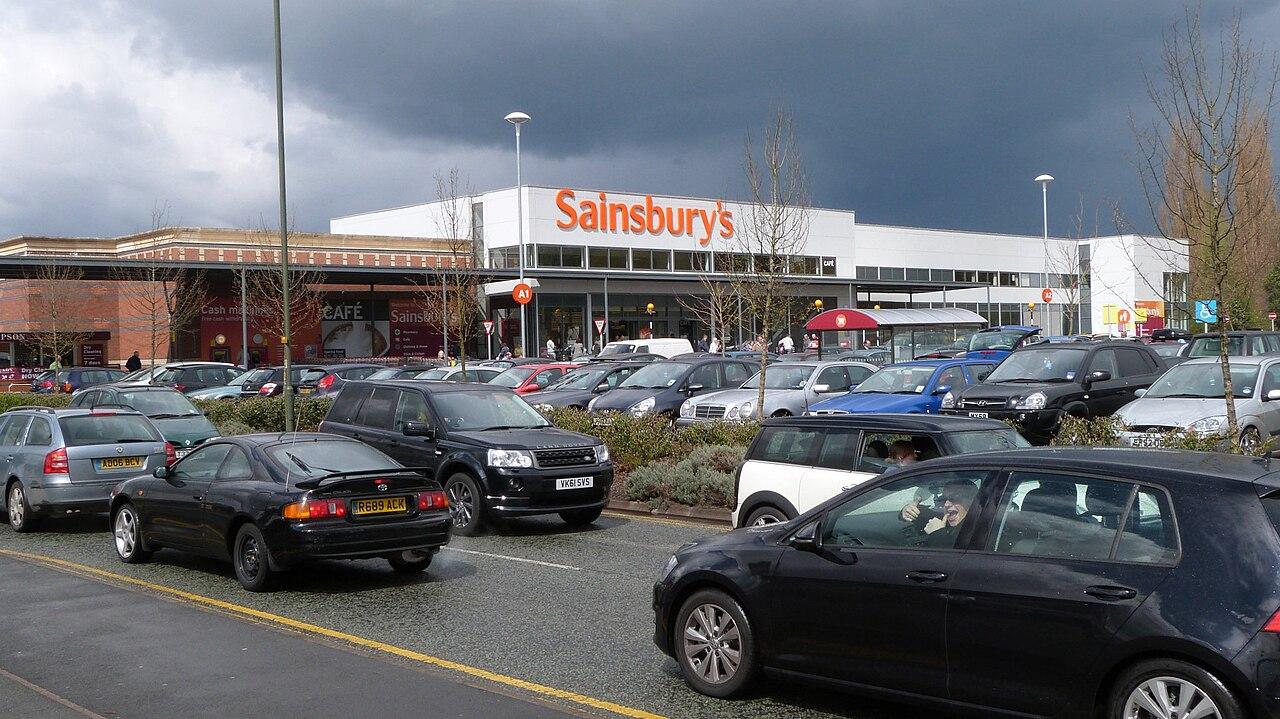
Plan parking lot cameras with the lighting they will use
Match parking lot camera views to after-hours lighting, vehicle obstructions, near and far detail, and realistic nighttime tests.
Quick answer: Design parking lot camera coverage around the lighting and activity that exist after closing, not the appearance of an empty lot at noon. Separate broad vehicle movement from the locations where useful person or vehicle detail is required. Check near and far subjects, parked-car obstructions, headlights, and mount stability in recorded nighttime footage.
A parking lot has several lighting conditions at once. The entrance may be bright, the center lane uneven, and the row behind a delivery vehicle almost invisible from the chosen camera. Calling the entire lot illuminated conceals the areas where the evidence task is hardest.
We would not approve a parking-lot design from colored coverage wedges alone. They help discuss geometry, but they cannot show the light on a person's face beside a parked van. A useful proposal connects the drawing to a small set of real views and tests that answer the business's questions.
Divide the lot by what the footage must explain
Begin with the events the business wants to understand. Vehicle arrival, pedestrian movement toward an entrance, a loading-area handoff, and activity beside parked cars need different views. Covering the perimeter does not automatically provide useful detail between every pair of vehicles.
Give the overview a defined role. It might establish which direction a vehicle traveled or which path a person took across the property. Then identify the narrower points where closer detail is needed, such as the pedestrian approach to the building. This keeps a broad overview from being judged as though it were a detail camera everywhere in the frame.
Be cautious about combining ordinary vehicle overview with license plate capture. If readable plates are a requirement, ask for a design and acceptance test specifically addressing that task. Do not let the word vehicle in a proposal imply that every parked or moving plate will be readable at every distance and angle.
Walk the pedestrian route under the actual light schedule
Follow the route employees and visitors use after dark. Include the space between parked vehicles, the curb, the walkway, and the final approach to the door. Notice where a person moves from light into shadow and where a fixture lights the ground without providing the useful view the camera needs.
Ask facilities which lights remain on overnight and which change with timers, occupancy controls, or business hours. A camera demonstration should use that normal state. If temporary lighting is present during construction or commissioning, identify it as temporary instead of letting it become an invisible assumption in the acceptance result.
The camera project can reveal a lighting issue, but it should not prescribe changes outside the design team's scope. Bring the observation to the responsible lighting and electrical professionals. They can assess a suitable solution for the property, while the camera team evaluates what the resulting scene provides for the agreed evidence task.
Check illumination at both ends of the view
A bright foreground can distract from an inadequate far end. Choose a near test point and the most distant point where the business requires useful detail. Review both with the same final camera configuration. A setting that produces a pleasing picture beside the mount may be a poor choice for a person crossing the distant walkway.
Axis's infrared white paper explains that illumination should cover the field of view while avoiding excessive exposure of nearby objects. It also describes the loss of ordinary visible color in infrared night imaging. These limitations matter when a proposal relies on integrated IR to cover a large outdoor area.
Ask what the stated illumination reach represents for the exact camera and scene. Do not treat it as a guarantee of identification at that distance. The useful result depends on the subject, view, recording configuration, and conditions. If clothing color is part of the intended description, demonstrate whether that information is available rather than inferring it from grayscale footage.
Put vehicles into the test before accepting the layout
An empty lot is the easiest version of the scene. Test with representative parked vehicles in the spaces that affect the required view, using authorized staff and a safe arrangement. A taller vehicle near the camera may hide a pedestrian route that looks fully covered on the drawing.
The business should decide which obstructed areas are acceptable and which require another view or a different position. There is no honest way to promise visibility through every occupied parking space from a distant single camera. A second angle may be justified, but it should solve an identified problem rather than merely add another overview of the same obstruction.
Use ordinary site activity for the test where possible. Have a person follow the walkway after leaving a parked vehicle and approach the entrance. Review where the subject first becomes visible, where they disappear, and whether the important action remains understandable. That sequence is more useful than a person standing in the one unobstructed spot the installer selected.
Treat headlights and changing light as part of the event
Vehicles bring their own light into the scene. Include an approved arrival and departure sequence with headlights operating normally, then examine what happens to nearby people and the surrounding view. A camera that works well in a quiet static lot may behave differently during the actual vehicle movement the business wants recorded.
Look at the entire transition rather than only a frame before or after the lights pass. Does the reviewer lose the required detail when the vehicle turns? Does the entrance view remain useful when someone walks beside it? Avoid attributing every problem to one setting until the installer has identified the cause and compared an appropriate change.
Weather can change the scene too. If the acceptance visit does not represent wet surfaces or another relevant condition, say so. A later targeted check may be sensible where that condition changes a critical view. The purpose is to test a meaningful uncertainty, not to demand every possible weather event before a straightforward project can close.
Give the pole and mount a place in the discussion
A high light pole is convenient because it already stands in the lot. Convenience does not establish suitability for mounting a camera. Confirm permission, structural suitability, approved power and cabling arrangements, service access, and the effect of the proposed position on the view with the responsible qualified parties.
Axis's image-stabilization guidance describes vibration from poles, wind, and nearby heavy traffic, with a greater visible effect at long focal lengths. A close view of a distant entrance deserves attention to this issue. A stable screenshot on a calm day does not show how the same mounting behaves when conditions change.
Ask the designer whether a different mount or less exposed location would serve the task better. If stabilization is part of the proposed solution, evaluate the exact model's recorded result and any effect on the useful view. Do not treat a software feature as approval for an unsuitable structure or an unreviewed installation method.
Finish with a small set of demanding, relevant clips
The most useful acceptance package is focused. Choose a few scenarios that represent the lot's intended use and its known difficult conditions. The test should be understandable to the facilities manager who will inherit the system, not only to the person who configured it.
Include recorded evidence for these questions:
- Can the overview show the agreed vehicle route through the property?
- Is the pedestrian visible at the specific points where useful detail is required?
- Do representative parked vehicles create an unacceptable obstruction?
- Does normal arriving traffic make the required view unusable?
- Does the near and far illumination work with the final recording configuration?
- Which important conditions remain untested or need a later check?
Review the recordings through the operator's actual account and playback method. Keep the accepted clips and test descriptions in the organization's approved storage, and record unresolved defects separately. The camera installation checklist helps organize those acceptance items alongside power, network, and retention decisions.
The takeaway
Parking lot cameras need a nighttime scene assessment. Divide the property into evidence tasks, check the lighting people actually encounter, and include vehicles in the demonstration. A large visible area and useful detail at the required point are different achievements.
Choose improvements from the observed failure. A better position, another justified angle, an appropriate lighting review, or a more suitable camera may each solve a different problem. The accepted result should show which questions the footage can answer and where the site's physical limits remain.
Review outdoor coverage for your business
BlueHouse Telecom plans security camera installations nationwide. Bring your parking layout, after-hours activity, and lighting schedule into the site discussion.
FAQ
Does a camera's infrared range guarantee useful detail across the lot? No. Treat the specification as one design input and test the required subject at the actual distance, angle, and recording settings. Illumination reach alone does not establish identification performance.
Can one camera cover every parking space? A broad view may show overall activity, but parked vehicles and distance can limit detail. Define the purpose of the overview and test the particular areas where closer evidence is required.
Should cameras be mounted on existing light poles? Only after the responsible team confirms permission, suitability, installation requirements, and the resulting view. Consider vibration and maintenance access as well as the convenience of the location.
What should a nighttime parking-lot test include? Use the normal light schedule, representative parked vehicles, safe pedestrian movement, and ordinary arriving traffic. Review stored footage at the required near and far points and document any meaningful conditions not tested.