
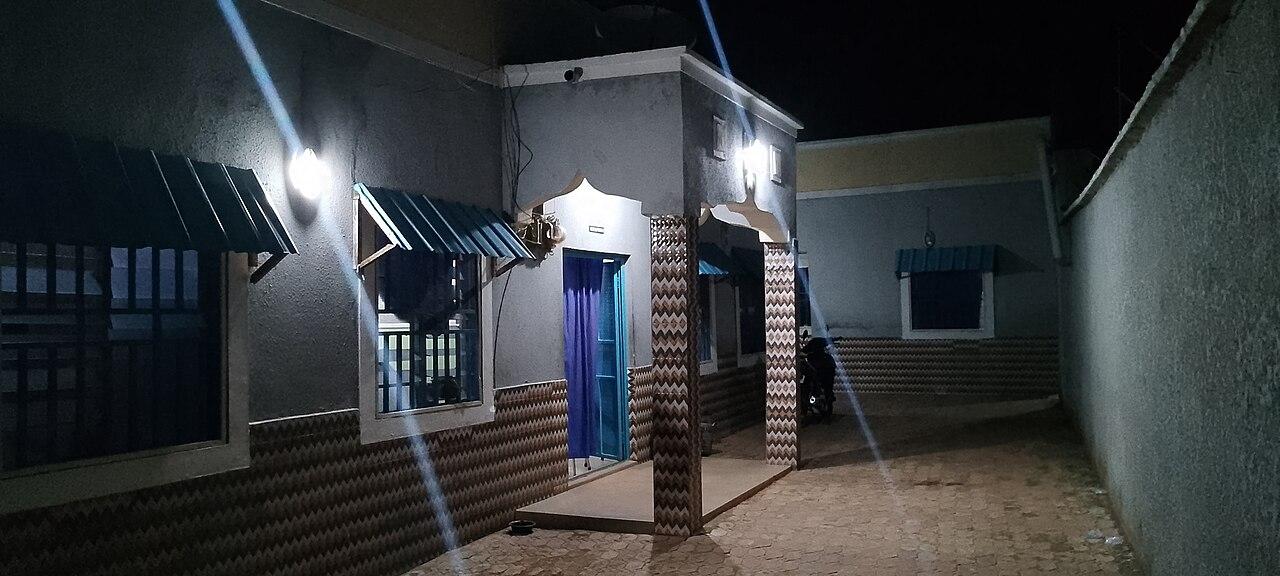
How to accept business camera images after dark
Judge nighttime camera footage with moving subjects, normal lighting, recorded playback, and the details your business needs to see.
Quick answer: Accept a nighttime camera view only after reviewing recorded footage of the action it must capture under normal after-hours lighting. A bright, empty scene is weak evidence of useful performance. Test moving subjects at the required distances, check the details that matter, and repeat any failed scenario after adjustments.
An empty parking space can look impressively sharp at midnight. The painted lines are clear, the wall is bright, and nothing moves. Then a person walks across the same view and becomes a blur. The first image demonstrated that the camera could render a static scene; it did not demonstrate that the business could use the footage.
Night acceptance should settle that difference before the installation is signed off. We would rather see a slightly grainy recording that preserves the required action than a smooth picture that loses it. The right choice depends on the evidence task, and the test should make that choice visible.
Choose the detail that would make the recording useful
Start with one sentence about the purpose of each view. At a receiving entrance, perhaps the business needs to see whether a package crossed the threshold and who was present. At an employee entrance, it may need a useful face view at a defined approach point. An overview of the whole yard has a different job.
Avoid writing clear video as the acceptance requirement. Clear to whom, at what distance, and for which action? A view can show movement across a large area while providing too little detail for another purpose. The camera installation checklist helps separate these requirements before they are bundled into one camera count.
Select a safe, authorized test that represents the task. A person walking the normal approach is usually more informative than someone stopping directly below the lens and looking up. If the intended activity involves equipment or vehicles, coordinate the test with site operations. The objective is to reproduce ordinary use without creating a hazard for the sake of a demonstration.
Test motion instead of admiring a still frame
Axis's image-quality troubleshooting guide explains why a slow exposure can produce a sharp static scene while blurring moving objects. It recommends checking the camera in the lighting and motion conditions its purpose requires. That is the technical reason an empty nighttime screenshot deserves little weight in acceptance.
Watch the complete sequence first. Can a reviewer follow the action, distinguish the relevant people or objects, and understand its order? Then pause at the points where detail matters. A single unusually favorable frame should not conceal a recording that is otherwise unusable along the required path.
Compare a person moving toward the camera with someone crossing the view. Use normal movement, including the pace expected during the site's work. If the design succeeds only when the test subject walks slowly or poses, it has not passed the ordinary-use test. The camera must serve the activity; employees should not have to perform for it.
Keep the building in its normal nighttime state
Run the test with the lighting schedule the site will actually use. Include any lights that turn off after closing, change on a timer, or activate only when someone approaches. A commissioning visit with all fixtures temporarily switched on can make a weak design look better than the business will experience a week later.
Ask what happens during the transition. Does the person cross the important point before a motion-activated light reaches its normal output? Does a bright doorway open behind the subject? The event may begin in one lighting condition and end in another. Review that sequence rather than choosing only the most favorable part.
Record the conditions plainly: which fixtures were operating, whether the door was open, the approximate test location, and any unusual temporary light. This need not become a laboratory report. It gives the next reviewer enough context to understand why two clips from the same camera look different and whether a later lighting change deserves another test.
Separate useful color from a reassuring color picture
Color can be valuable when the investigation depends on clothing or an object's appearance, but it is not the only measure of a useful recording. Decide whether the business needs dependable color information in this view or whether shape, movement, and other detail are the primary requirement.
Axis's infrared explanation describes typical day-and-night cameras producing grayscale video in night mode. It also notes that materials can appear in unexpected gray tones under infrared illumination. A light-looking jacket in that recording should not automatically be described as a light-colored jacket in the incident account.
During the test, compare what the reviewer can actually establish in the chosen mode. Do not force color merely because a sales image looks more familiar. If accurate color is necessary and the proposed arrangement cannot deliver it in normal conditions, that is a design issue to resolve through suitable equipment, lighting, placement, or a revised evidence objective.
Look for the failure that a brightness adjustment hides
Ask the installer to explain the tradeoff behind a proposed adjustment. Axis notes that increasing gain can brighten an image while amplifying noise. Brighter is therefore not an adequate description of improvement. The relevant question is whether the required detail survives more reliably in the recorded result.
Use a short review sequence rather than changing several settings at once:
- Watch the original clip and identify the exact point where the evidence becomes inadequate.
- Describe the suspected cause, such as motion blur, lost contrast, insufficient subject size, or an obstruction.
- Make the approved adjustment and repeat the same safe action under comparable conditions.
- Compare the required detail, not simply the overall brightness or attractiveness of the frame.
- Check a second relevant condition so a nighttime improvement does not quietly break another important view.
Some failures deserve a physical change. Repositioning a camera or addressing an obstructed light may be more useful than repeated software adjustments. We would question a proposal that keeps increasing resolution without explaining why the subject's current detail is being lost. More pixels do not answer every exposure or placement problem.
Review the recording through the operator's actual workflow
A live stream is only part of the result. Have the intended reviewer find the test event in recorded history, play it at normal speed, pause it, and make the approved export. Use the account and device the business expects for that work. This reveals whether the evidence is available in the form people will actually use.
Check whether the recording settings preserve what the live demonstration showed. If different stream qualities or retention behaviors apply, have the system administrator explain them for the proposed configuration. Test the relevant stored version rather than assuming that every view of the footage has identical detail.
Give the reviewer a task with an answer: identify the sequence of the handoff, confirm whether a person crossed the marked boundary, or compare the subject at the required point. Do not provide the answer in advance. Knowing what happened can make an unclear image feel more convincing than it would during an unfamiliar incident.
Accept demonstrated outcomes and keep exceptions visible
A useful acceptance result says which view, purpose, conditions, and test passed. Preserve a representative clip through the business's approved process, with appropriate control over access and retention. If a view failed, describe the missing evidence and the next corrective step rather than attaching a generic poor image note.
Some conditions cannot be reproduced during one visit. A dry evening does not establish performance during rain, and a mild night does not represent every seasonal condition. State those limits. The business can accept the demonstrated result while scheduling a justified follow-up for a condition that matters to the site.
Include normal maintenance in the discussion. A successful test assumes the observed view and condition remain comparable. Later obstruction, dirt, changed lighting, or a moved camera may warrant another review. For a nationwide program, use the same evidence questions at each location while keeping the local lighting and activity in the actual test.
The takeaway
Nighttime acceptance is a moving-subject exercise. Judge the recording against the action and detail the business needs, using the lighting and operating conditions it will have after the installation crew leaves. A bright empty picture is not enough.
Keep the review honest about tradeoffs. Color, low noise, exposure, and subject detail do not always improve together. Choose the result that serves the stated evidence task, retain the demonstrated test, and leave unresolved conditions visible until they have been checked.
Define the images your site needs
BlueHouse Telecom helps businesses plan camera installations nationwide. Explore commercial security camera installation with your after-hours activity and lighting conditions in mind.
FAQ
Is a sharp nighttime screenshot enough to approve a camera? No. Test the expected movement and review the stored sequence. A static scene may look good while the detail needed on a moving person or object is blurred.
Should night footage always remain in color? Only when the evidence requirement and actual conditions support that choice. Evaluate the detail the business needs, and do not mistake infrared grayscale appearance for a reliable statement of an object's visible color.
Does a noisy picture automatically fail? Not necessarily. Judge whether the recording preserves the required evidence. A cleaner-looking image that loses motion detail may be less useful than one with some noise and a readable action.
When should the nighttime test be repeated? Repeat failed scenarios after corrections and revisit meaningful changes to placement, lighting, recording settings, or site conditions. Record any important environmental conditions that were not represented in the original test.