
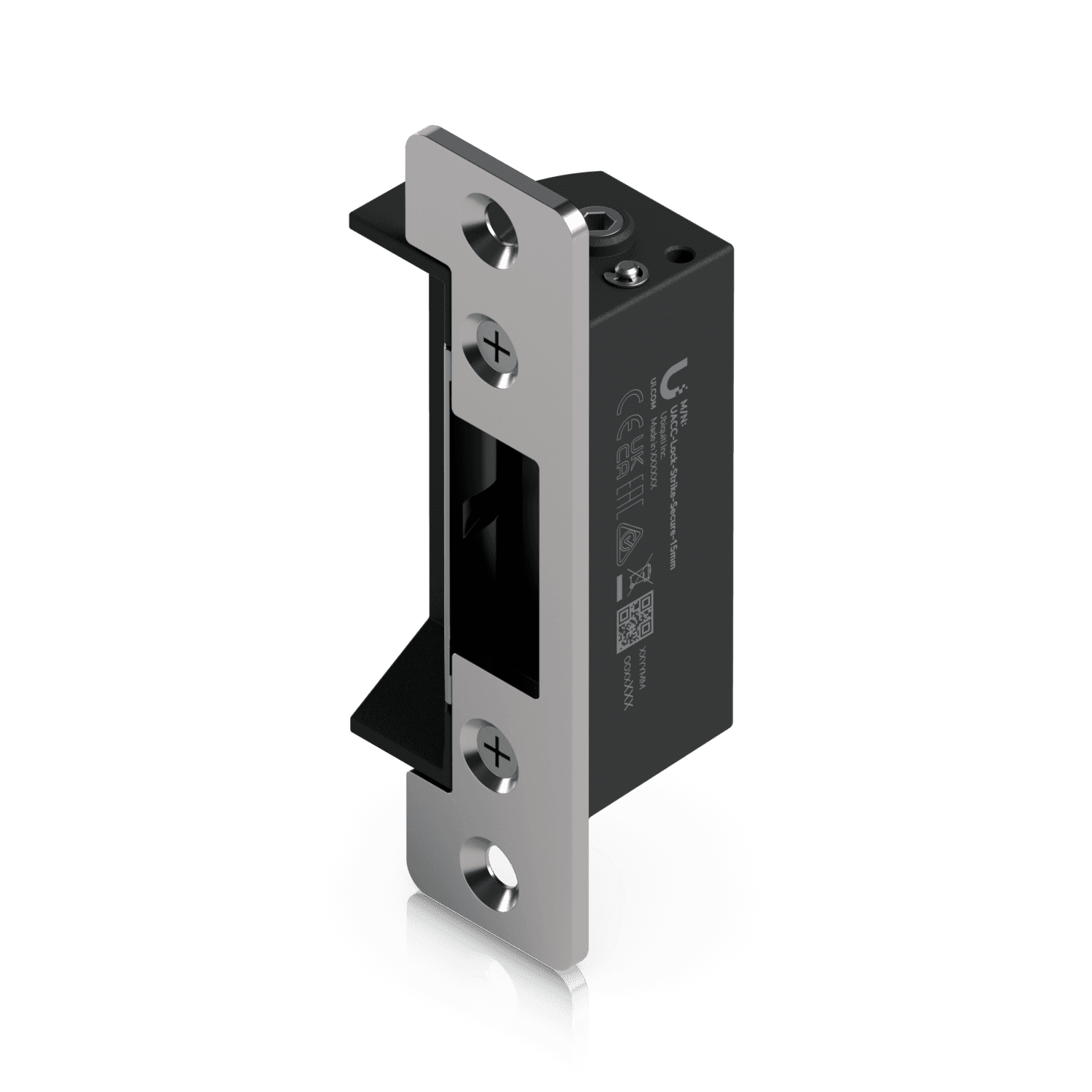
Survey the opening before choosing an electric strike
Check the lockset, frame, door pressure, power behavior, and monitoring needs before specifying an electric strike for business access control.
Quick answer: Choose an electric strike only after surveying the existing lockset, frame, latch alignment, door pressure, and required operating behavior. A reader or access control platform does not establish mechanical compatibility. The proposal should identify the exact hardware combination, necessary repairs, power and monitoring scope, and the qualified review needed for the opening.
A door can accept a card and still refuse to open. The software may have granted access correctly while pressure against the latch prevents the strike from releasing. Replacing the reader would leave the real problem in place.
An electric strike project sits at the boundary between door hardware and access control. The buyer does not need to become a hardware specialist, but should expect the quote to explain that boundary. We would be cautious about a proposal that specifies the software in detail while describing every opening simply as one electronic lock.
Identify what is already on the door
Begin with the existing lockset and latch arrangement. A cylindrical lockset, a mortise lock, and a rim exit device do not create identical strike requirements. Photographs should show the overall opening and the relevant hardware, with model identification where it can be obtained safely and without dismantling equipment outside the survey scope.
HES makes this explicit in Electric Strike Essentials: lockset type and the frame's material and condition affect selection. The same guidance discusses preload capability on selected models. A brand name by itself therefore does not establish that a proposed strike fits the opening or will release under its working conditions.
Include the hardware function in the description. How does someone enter today, and how do they leave? Does a mechanical key remain part of normal operation? Is there an existing exit device or special opening requirement? These questions keep a retrofit from being reduced to a cutout dimension and a voltage label.
Check whether the door closes and latches properly
Observe the door through ordinary use before considering electrical operation. It should not need an unusual lift, shove, or second attempt to reach its intended closed position. A worn hinge, misaligned latch, or poorly adjusted closer can make access control appear unreliable even when the controller behaves correctly.
The survey should distinguish pre-existing defects from proposed modifications. If mechanical repair is required before testing the strike, price and schedule that work visibly. Do not hide it inside an assumption that the access control technician will make any door work during installation.
Consider changing conditions. An exterior opening may behave differently with weather, building pressure, or heavy pedestrian traffic. The survey cannot reproduce every future condition, but it can identify the concern and choose a representative test. The door survey checklist helps capture those observations before hardware is ordered.
A useful baseline is a short description of normal operation and the defect, if any. It need not be a long report. It should be clear enough that the building manager and installer agree on what must be repaired before the electronic system is judged.
Treat the frame as part of the hardware choice
The available space and frame construction affect what can be installed and how the result will look. Existing preparation, reinforcement, prior repairs, and concealed conditions may change the labor or hardware needed. A close photograph helps, but it does not replace inspection where those details matter.
Ask what modification the proposed solution requires and which finishes are included afterward. A narrow hardware price may omit frame work, patching, or a visible cover needed to address an old cutout. Those omissions are easier to resolve before the building is left with an unfinished opening.
For a rated or otherwise controlled opening, qualified project reviewers should determine the permitted hardware and modification approach. Do not assume that a component's product listing approves every combination of door, frame, and installation method. The business should know who resolves that question and what documentation will be retained.
- Identify the lockset, latch arrangement, and existing strike preparation.
- Photograph the frame condition and any visible rating or identification labels without damaging them.
- Describe alignment problems and the mechanical work needed before installation.
- Confirm the proposed strike model, accessories, finish, and frame modification scope.
Define release behavior in ordinary language
Describe what an authorized person should experience. A credential is presented, access is granted, and the person opens the door during an agreed interval. If they do not open it, the opening should return to the intended state. If they hold it open, the system may need to report that condition through separately specified monitoring.
Door pressure deserves special attention. Weather seals, building pressure, and a person pushing or pulling during credential presentation can load the latch. Do not prescribe a model merely because its marketing mentions preload. Ask the supplier to confirm suitability for the actual condition and demonstrate release under representative use.
Keep the user instruction realistic. An opening that only works when staff first pull it exactly halfway and then present a card may conceal a poor hardware match or unresolved mechanical issue. Any unusual operating sequence should be explained and accepted as a deliberate design choice, not introduced as a workaround on the last day.
Separate power behavior from the exit path
The terms fail-safe and fail-secure answer a power-state question about hardware. They should not be used as shorthand for whether the whole doorway is safe or whether people can leave. Allegion's fail-safe and fail-secure explanation distinguishes these concepts across different electrified hardware types.
For the buyer, the useful request is a plain-language sequence for the complete opening: normal entry, normal exit, power loss, power restoration, and any required building-system response. The appropriate qualified professionals and local authority should resolve the applicable egress and fire requirements. This article is a purchasing framework, not a wiring or code design.
Also distinguish a loss of internet service from a loss of power to the locking hardware. A platform may support some offline credential decisions while the door still depends on a particular power supply. Ask which equipment remains operational in each scenario and what the user experiences. One general statement that the system works offline cannot answer all of those questions.
Price power and monitoring explicitly
The strike is only part of the electrical scope. The project may need an appropriate power supply, cable route, controller connection, and other components selected for the actual hardware. Ask the installer to confirm those requirements from current manufacturer documentation rather than assuming the reader's power connection can also serve the lock.
Monitoring needs a separate conversation. An access-granted event shows a decision in the system; it does not by itself prove that the door opened, closed, or latched. If the business wants door-position or other hardware status, specify the sensors, inputs, software behavior, and alerts needed to provide it.
Some businesses only need controlled entry and a clear manual response to a fault. Others need a staffed team to investigate a held-open condition. Match the monitoring scope to that operating model. Adding a sensor without deciding who sees the event can create another ignored notification rather than useful information.
Compare proposals using the complete opening, including mechanical corrections and electrical work. A less expensive strike line item can lead to a higher overall project cost if the alternative proposal already included tasks that the first one left unresolved.
Demonstrate operation before calling the door complete
Acceptance should combine physical behavior with the software record. Use an authorized credential and a denied credential, then inspect what actually happens at the opening. Confirm normal egress through the agreed procedure and conduct power or building-system tests only through the qualified team and approved test plan.
- Test entry with the door fully closed under representative pressure conditions.
- Let an access grant expire without opening, then check the intended secured state.
- Open and close the door repeatedly using normal movement, observing latching and any monitoring indication.
- Verify the agreed alert or event when the door is held open, if that function is included.
Do not make a dangerous or disruptive failure test an improvised demonstration. The project team should coordinate occupants, building systems, and restoration before such testing. The business access control guide can help connect the door hardware result with credential administration and ongoing operation.
Retain the exact installed model and configuration with the opening identifier. A future replacement should not depend on guessing which of several similar-looking strikes was fitted years earlier.
The takeaway
An electric strike is a good candidate only when the complete opening supports the intended function. The existing lockset, frame condition, door pressure, power arrangement, and exit requirements all influence the result. A software demonstration cannot compensate for an unresolved mechanical problem at the latch.
A useful proposal makes those conditions concrete and gives the buyer a way to test them. Across a nationwide portfolio, keep the survey fields consistent while allowing the hardware choice to vary by opening. Two similar doors may need different work, and the scope should explain why.
Scope your electronic door access project
Bring opening photographs and the intended entry workflow to BlueHouse Telecom's access control installation discussion. Nationwide projects can then be scoped around the actual doors and the required professional reviews.
FAQ
Can an electric strike be selected from a door photograph? Photographs can help with preliminary review, but they may not reveal exact hardware, frame preparation, pressure, or concealed conditions. Final selection should follow the inspection needed for that opening and confirmed manufacturer compatibility.
Will a new strike fix a door that is difficult to close? Not necessarily. Hinge, closer, alignment, and other mechanical defects may need separate repair. Identify those problems before installation so the electronic system is not expected to compensate for a failing opening.
Does fail-secure mean people cannot exit during power loss? The term describes a hardware power state, not the complete exit function. Egress depends on the full opening and its approved design. Have the project's qualified reviewers explain both entry and exit behavior for the proposed combination.
Does an access-granted event confirm the door is closed afterward? No. That event records an authorization decision. Door position or other status requires the appropriate monitoring components, configuration, and verification at the opening.