
Survey the door before choosing an access control brand
A door-by-door survey reveals hardware, wiring, power, and operating requirements before an access control quote becomes a purchase.
Quick answer: Survey the complete opening before selecting an access control platform or approving hardware. Record the door’s physical condition, existing lock and exit hardware, cable route, power, and required operating behavior so the proposal can be specific about what will be reused and changed.
A reader can approve a credential while the door still fails to close properly. That is a door problem with an electronic symptom, and choosing a different app does not resolve it. A useful access control project begins at the opening itself.
For an existing business, the survey also has to explain how people use that opening. Staff entry, deliveries, public hours, and after-hours operation may call for different permissions and workflows. The point of the visit is to turn those differences into a clear scope before a familiar brand name makes the decision feel finished.
Give every opening an identity that survives the project
Assign a door identifier and use it consistently on photographs, drawings, and the proposed hardware schedule. “Back door” becomes ambiguous in a building with two rear entrances and nearly useless across a nationwide portfolio. A site name and a meaningful opening name help the office team and field team discuss the same location.
Photograph both sides, the frame, the locking hardware, and relevant nearby equipment. Record dimensions and conditions through the appropriate survey process rather than estimating from a distant image. Note whether the opening is a single door, a pair, a gate, or another arrangement that needs separate review.
Keep the existing names if staff already rely on them, but map them to the project identifiers. A maintenance ticket saying “shipping entrance will not latch” should lead to the same opening shown on the installation drawing. This small administrative step prevents surprisingly expensive misunderstandings during ordering and service.
Watch the door complete an ordinary cycle
Observe the opening during normal use. Does it close and latch consistently? Does it rub, require extra force, or behave differently when other doors are open? Record the condition before adding electronic hardware so later testing has a baseline.
Ask staff about intermittent problems, then distinguish reported issues from observed ones. A complaint that occurs only during windy afternoons may not appear during a calm morning survey. That does not make it irrelevant; it makes the condition something to investigate and assign rather than dismiss.
The proposal should identify any physical repair or adjustment that must precede access installation. BlueHouse’s electronic access control scope concerns controlling and managing access; it should not silently imply that every door fabrication or structural repair is included. Make responsibility for those items explicit so the electronic installation is not expected to compensate for an unresolved opening condition.
Record the existing hardware as a complete arrangement
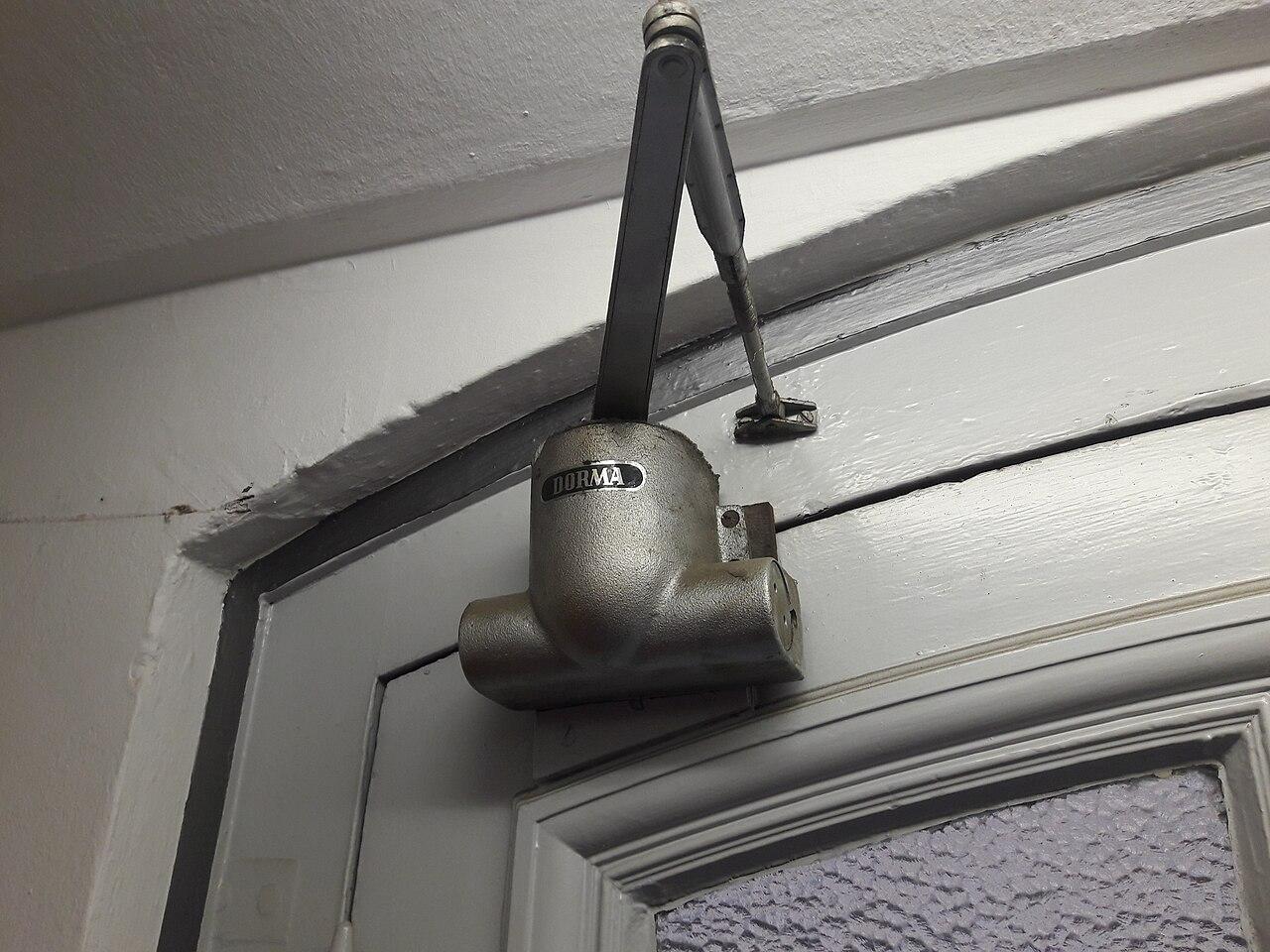
Identify the lock or latch, exit device, closer, hinges, and any automatic operator or existing electrified component. A photograph of the reader alone does not describe the system that controls entry. Where model identification is uncertain, flag it for confirmation instead of ordering a part that merely looks similar.
The selected platform must connect to a compatible arrangement. For example, Ubiquiti’s UniFi Access requirements include a console, hub, reader, compatible lock, and suitable power. Those components do not remove the need to understand the existing opening and its required function.
Ask which items will remain, which will be replaced, and which need additional evaluation. A reuse decision should have a reason tied to condition and compatibility. A replacement decision should identify the required outcome, not simply exchange one unknown component for another with a newer product label.
Describe entry and exit behavior separately
Write down what the business wants to happen from each side of the opening during normal operation. Who can enter, at what times, and using which credential? How does a person leave? What other building systems or procedures interact with that behavior?
Power loss introduces another question. Allegion’s explanation of fail-safe and fail-secure hardware distinguishes how hardware responds to loss of power from the way an opening permits egress. The terms are not interchangeable with “safe” and “unsafe,” and a product label alone does not determine the right arrangement for a particular opening.
Capture the requirements for review by the responsible door-hardware, building, and life-safety professionals, including applicable local approvals. Do not turn a survey checklist into instructions for changing emergency release behavior. The useful outcome is an agreed sequence of operation and a named owner for any unresolved design or approval issue.
Trace power and cable routes before promising reuse
Locate the existing controller and power supply, then identify the pathways to the reader and door hardware. Record which cables are identified and tested, which are merely visible, and which routes remain inaccessible. An old cable disappearing into a wall is not evidence that it can support the proposed system.
Determine how the selected equipment will receive power and how that power reaches the opening. The required arrangement depends on the actual components. Keep network capacity, electrical supply, and any backup-power requirement in the scope so no team assumes another team has already handled them.
Use a focused route review:
- Identify both ends of each proposed reused cable.
- Confirm the planned controller and power-supply locations.
- Record inaccessible pathways and the next step needed to inspect them.
- Assign responsibility for electrical work, penetrations, and finishing.
These observations help distinguish a surveyed installation price from an allowance that still depends on concealed conditions.
Test the operating workflow with the people who use it
The building manager may know the hardware while the receiving team knows why a door is held open at a particular time. Include both kinds of knowledge. A system that technically grants access can still create an awkward daily routine if the project overlooks deliveries, cleaning shifts, or visitor arrivals.
In a hypothetical office, the main entrance could be public during staffed hours while a side entrance remains credential-controlled. The same staff member may need different behavior at those two openings. The example is a prompt for a schedule discussion, not a universal design recommendation.
Use the door survey checklist to document current and desired behavior for each opening. Keep temporary exceptions visible. A delivery workaround that became permanent years ago deserves a decision, not automatic reproduction in the new system. The survey should expose where policy is unclear before software groups and schedules encode it.
Convert observations into a proposal that can be accepted
For leased premises, identify who can approve work on the opening and who maintains the existing hardware. The tenant, property manager, and building owner may have different responsibilities. Put those contacts in the survey record so a proposed change does not wait until installation day for an ownership decision.
The finished survey should produce more than a folder of photos. Create an opening schedule with the existing condition, intended behavior, proposed changes, and outstanding questions. Link each unresolved item to an owner and a decision needed before ordering or installation.
Ask the proposal to distinguish included work, reused equipment, allowances, and exclusions. If a particular opening needs a specialist hardware review, identify when that happens and how the result affects the quote. The business can then approve a concrete scope rather than assume every problem encountered at the door is covered.
Define acceptance at the same level of detail. An authorized credential should work as intended, an unauthorized one should be handled as specified, the door should complete its physical cycle, and the agreed event information should be reviewable. Have the responsible parties confirm the complete sequence under approved test conditions. A reader light alone is not an acceptance result.
The takeaway
A door survey protects the project from decisions made in the wrong order. First understand the opening, its physical condition, and the way people need to use it. Then evaluate hardware and software against that documented requirement. A preferred platform can guide options, but it cannot supply facts about the building that have not been collected.
For multiple locations, repeat the same survey method while keeping local conditions explicit. Standardize the record and the acceptance process, not the assumption that every door is identical. That gives a nationwide installation plan enough consistency to manage and enough detail to be credible at each site.
Prepare the opening list
Use BlueHouse Telecom’s access control service overview to gather the doors, user groups, and operating requirements that a project review should address.
FAQ
Can a quote be based on door photographs? Photographs can support an initial discussion, but they may not establish cable condition, concealed pathways, hardware compatibility, or reliable closing behavior. Clearly identify what remains subject to on-site confirmation.
Does adding access control mean replacing the door? Not necessarily. The appropriate work depends on the existing opening and required operation. The survey should distinguish electronic access components from any door repair, modification, or replacement that needs a separate scope.
Should every site use identical locking hardware? A common platform does not require every opening to use the same hardware arrangement. Existing doors, operating requirements, and approved design conditions should determine the door-specific solution.
Who should approve the door’s emergency behavior? The project should identify the responsible qualified professionals and authorities for that building and application. Record their requirements in the sequence of operation rather than selecting release behavior from a generic checklist.