
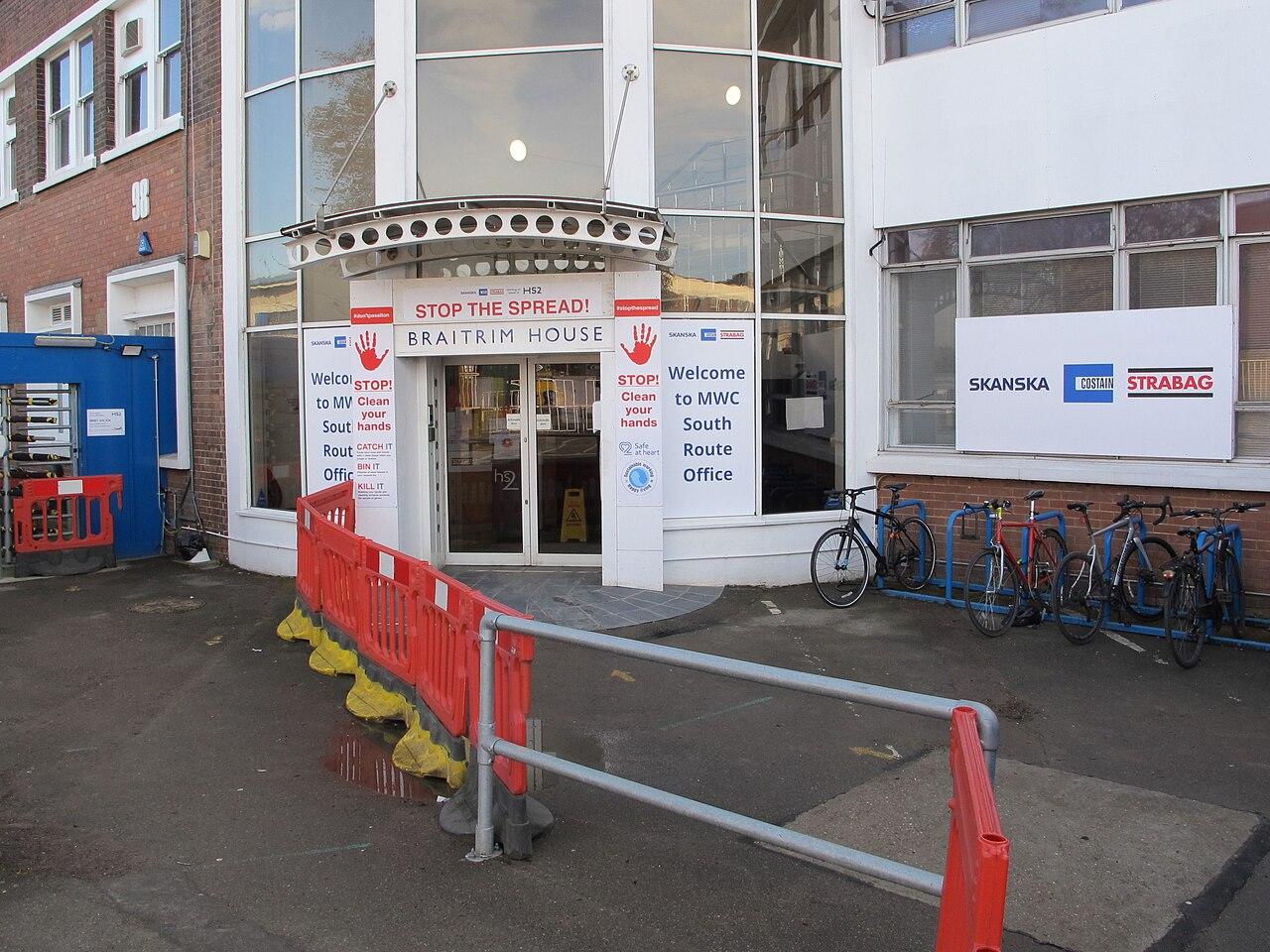
Scope temporary construction doors before adding access control
Plan temporary site doors around approved openings, changing phases, available power, workforce turnover, and the final removal or handover.
Quick answer: Treat a temporary construction door as a complete opening with an approved purpose, location, and end date. Confirm the door and hardware, power, connectivity, staff workflow, and required approvals before selecting electronic access equipment. Include phase changes and removal or transfer in the proposal so temporary access does not become an unmanaged permanent system.
Construction sites change around the access system. A site office moves, a temporary corridor closes, a new trade arrives, or the building begins partial occupancy. A reader that fits today's route may be in the wrong place a month later.
The useful scope therefore includes both the present opening and the expected sequence of changes. Temporary does not mean the hardware can be improvised or that operating responsibilities disappear. It means the project should be explicit about duration, movement, and the condition in which the opening is handed back.
Identify the actual opening and its authorized purpose
Distinguish a temporary office door from a building entrance, a fenced gate, or an opening used for a different function. Each has its own physical arrangement and review needs. A generic request to control site access is too broad to establish a door installation scope.
Record the opening's location, construction, existing hardware, and intended users. Confirm who owns or controls it and who can approve modifications. Leased temporary facilities and partially completed buildings may involve different parties whose permission should be resolved before equipment is attached.
Have the responsible professionals review the complete opening, including required exit behavior and applicable project conditions. An electronic controller's product specification does not establish approval for every temporary door. Keep those decisions with the qualified team and relevant authorities for the actual site.
The construction connectivity and security guide helps place the door within the wider site plan. It should connect to the approved work areas and phases rather than become a separate device installation with no operational context.
Decide whether the equipment is temporary or the doorway is
A permanent doorway used during construction may eventually become part of the finished building's access system. A temporary office door may disappear when the project ends. Those situations create different decisions about hardware, configuration, reuse, and final responsibility.
State which equipment is intended to remain and which is to be removed. If reuse at a later location is expected, confirm what the manufacturer supports and which components need a fresh survey. Reusable electronics do not make the next door mechanically identical.
Include the restoration or transfer work in the proposal. Identify who removes devices, handles cables and mounting points, returns leased equipment where applicable, and confirms the remaining opening's accepted condition. A temporary system should have an ending as clear as its installation.
For a hypothetical project office that moves halfway through construction, treat the move as an approved project phase. Survey the new position, assess the supporting services, and test the relocated opening rather than assuming the original installation simply follows the trailer unchanged.
Check the full equipment and service dependencies
Ubiquiti's Access setup guidance identifies a supported console, hub, reader, and compatible lock, with power requirements varying by hub model. A reader alone is not the complete system. The same discipline applies when considering other manufacturers.
Identify where the controller and supporting network equipment will be located and how they are protected and maintained under site conditions. Confirm environmental suitability for the actual devices. Do not infer outdoor or construction suitability from a product photograph or the fact that the equipment works indoors.
Coordinate power and connectivity with the responsible teams. Temporary services can change during construction, so determine what happens when a supply is moved or interrupted. The access proposal should identify the dependency without claiming that an available cellular connection supplies electrical continuity.
Use the door survey checklist to capture the opening and support requirements. Keep unresolved items visible in the quote instead of letting an equipment allowance imply that all site preparation is included.
Connect credential issuance to the current workforce
Construction assignments change frequently. Define who sponsors each user's access, how the approved identity is established, and which work area and period the assignment covers. A credential should correspond to a current authorized task rather than simply to a company name on an old list.
Separate the authority to approve access from the administrative task of issuing it. The person operating the software may not know whether a particular crew is still assigned to the area. The project needs a reliable way for that information to reach the administrator.
Kisi's group documentation shows how selected doors and scheduled periods can be assigned through groups, with time interpreted in the group's time zone. Use the selected platform's actual capabilities to implement the approved work periods, then verify the resulting access.
Avoid sharing one credential across a changing crew as an informal shortcut. Where a project has a legitimate shared-access requirement, it needs explicit review of the chosen method and its limitations. The system should not imply individual accountability that the operating arrangement cannot provide.
Plan phase changes before the route becomes obsolete
Review the construction schedule for events that alter the doorway's purpose. A new enclosure, completed corridor, relocated storage area, or partial occupancy can change who should enter and where they should go. Put an access review alongside those phase decisions.
A phase-change checklist can cover:
- Confirm the opening and approved route for the next phase.
- Identify the workforce and responsibilities that are changing.
- Review power, network, and environmental conditions at the new stage.
- Approve any hardware or configuration change before implementation.
- Test the intended entry, denial, and door-closing behavior afterward.
A new phase may require removing access as well as adding it. Staff who needed a temporary construction route may not need the same path once an occupied area is handed over. Make the transfer of responsibility explicit between the project and the building operator.
Keep emergency-related decisions within the established site process. A routine phase update should not casually alter required exit behavior or other specialized functions. The technical team must know when an operational change requires a broader review.
Test ordinary use under realistic site conditions
Demonstrate the opening with the intended credential method and representative authorized users. Consider how people carry ordinary tools or materials through the route, while following site procedures. Reader placement and the physical door need to work for that movement without encouraging repeated propping.
Check an excluded user and the end of a temporary assignment as well as a successful entry. Verify that the administrator can make the approved change and that the relevant device receives it under normal conditions. A working badge on installation day does not establish that the workforce process works a week later.
Inspect the door after normal use. Closing, latching, alignment, and any approved monitoring should be evaluated by the responsible team. Construction movement can affect the surroundings, so recurring physical problems deserve investigation rather than another software adjustment.
Coordinate any interruption test with the site's responsible personnel. Explain the intended behavior for the selected equipment and complete opening, and use an approved procedure. Do not improvise an outage demonstration that creates an unexpected condition for people working nearby.
Close the temporary system deliberately
Before demobilization, reconcile the equipment inventory and active permissions. Determine what is being transferred, retained, returned, or removed under the agreed scope. The business should know who will control any system that remains after the construction team leaves.
Handle records according to the project and organization's approved requirements. Identify any event reports or configuration records that need to be retained, and preserve them through the authorized process. Do not assume removing hardware also resolves cloud accounts, subscriptions, or stored data.
Revoke construction-stage access that is no longer appropriate and verify the result in the remaining system. Where responsibility transfers to the building operator, confirm administrative ownership and recovery access before removing the project team's essential role.
Document the accepted final condition of the doorway and supporting infrastructure. This gives the owner a clear boundary between completed temporary work and any new permanent access project. It also prevents a later contractor from inheriting unexplained equipment and credentials.
The takeaway
Temporary construction access works best when the scope includes the complete opening, the current workforce, and the sequence of project phases. Confirm dependencies and approvals before equipment selection, then test the actual movement and administrative process the site will use.
Plan the ending at the beginning. Removal, reuse, transfer, credential cleanup, and administrative ownership are part of a complete temporary project. That keeps a useful short-term installation from becoming an unexplained permanent dependency after construction moves on.
Define the temporary door project
Bring the site phases, affected openings, and expected operating period to BlueHouse's nationwide access-control installation service.
FAQ
Can any temporary door accept an electronic reader and lock? No universal compatibility should be assumed. Survey the complete opening, ownership permissions, hardware, environment, and required behavior before selecting the supported equipment and installation method.
Does a temporary project need an end-of-project scope? Yes. Identify removal, restoration, reuse, transfer, account ownership, and credential cleanup. Otherwise, equipment and access can remain active without a clear responsible party.
Can the system move with a site office? Assess the proposed equipment and the new location. Power, connectivity, mounting, environmental exposure, and the opening itself may change, so a move needs an approved scope and another acceptance check.
Who should update access when a crew's assignment ends? The project should name the person who confirms the assignment change and the administrator who implements it. Verify completion through the selected platform's supported process rather than assuming an old roster stays accurate.