
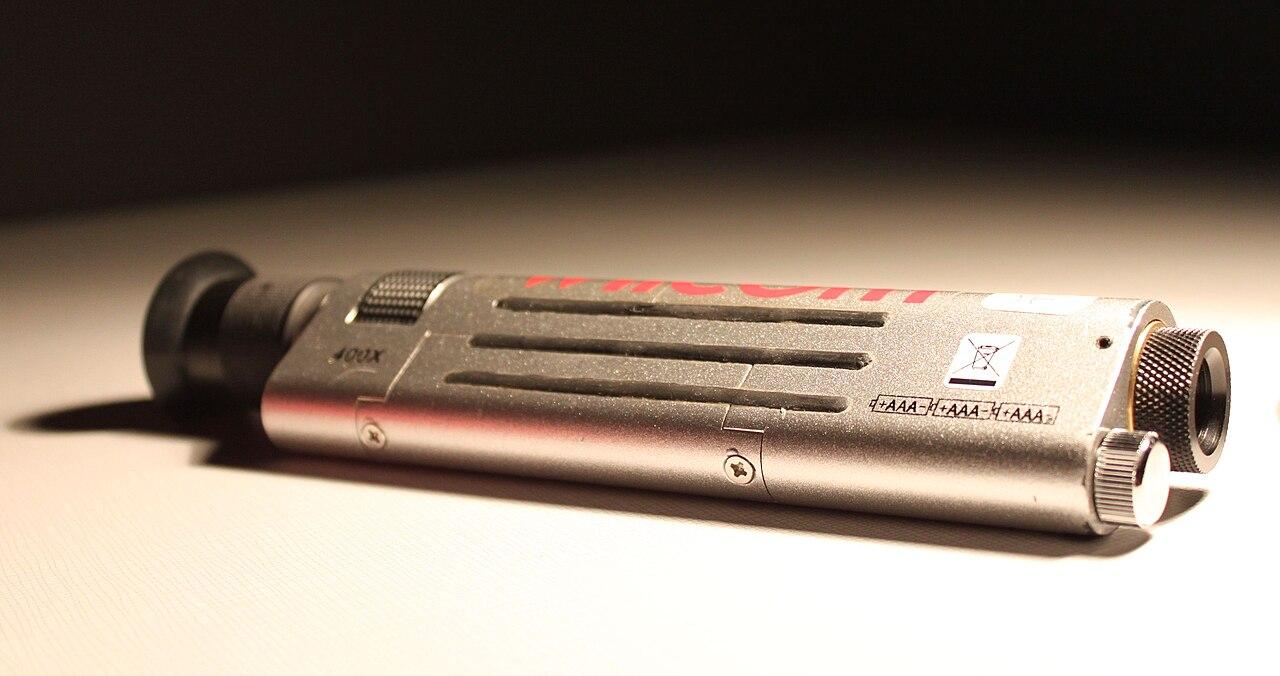
Put connector inspection and cleaning in the fiber scope
Specify connector inspection, appropriate cleaning, optical testing, and exception handling without relying on dust caps or an outdated pass rule.
Quick answer: Put inspection of the actual mating interfaces, appropriate cleaning, and the required optical tests in the installation scope. Identify the applicable standard edition and the process for unresolved defects. A dust cap does not prove cleanliness, and a visual inspection result alone does not replace the optical acceptance requirements.
A newly opened fiber assembly can still need inspection before it is connected. Treating a sealed bag or dust cap as proof of a clean interface skips the one check that would establish its condition. The same mistake can occur at the equipment port that receives the otherwise clean cord.
Inspection is also easy to overstate. A procurement rule that demands endless cleaning until every visual result turns green may not reflect the current standard or the cause of the result. A better scope says what to inspect, how to handle contamination, which optical performance must be demonstrated, and who decides the disposition of an exception.
Specify an inspection decision, not a cleaning ritual
The useful sequence begins with inspecting the interface using appropriate equipment. If cleaning is needed, use the supported method for that connector and inspect again. The purpose is to establish the condition before mating, not to count how many times somebody used a cleaning tool.
Fluke Networks' current inspection guidance cautions that cleaning an already acceptable interface can introduce contamination. That makes an automatic instruction to clean every connector repeatedly a poor substitute for a defined inspection process.
In the scope, distinguish cleaning of contamination from evaluation of a defect or damaged component. A technician should have a stopping and escalation point when the same result persists. Otherwise, time is spent repeating a physical action without addressing whether the issue is removable debris, an inspection setup problem, or a condition that needs another technical decision.
For the business buyer, the deliverable is a supported procedure with a documented result. You do not need to invent the detailed cleaning technique yourself. Require the installer to use the connector, tool, and equipment manufacturers' instructions for the actual interface supplied.
Include both sides of the connection
A clean patch-cord end can be contaminated when it is joined to an unexamined port or opposing connector. Fluke's guidance includes mating interfaces, adapters where relevant, test cords, and equipment ports. Specify the practical boundary of the work so one team does not inspect only the parts it happened to purchase.
Consider a hypothetical cabinet upgrade in which new cords connect to an existing panel. The new assemblies and the panel interfaces both belong in the inspection plan. If an existing port is outside the authorized work scope, identify that limitation and assign the required check rather than silently assuming it is acceptable.
Also decide who handles the final equipment connection. The installation may be inspected and tested days before a network team arrives with optics and patch cords. That earlier work cannot establish the condition of interfaces exposed or connected later. The final team needs the same supported preparation process at the time of mating.
The fiber installation guide helps define the physical work boundaries. Use it to make the last connection visible in the project, including any preexisting hardware the installer needs permission to access.
Match the tools to the connector and working environment
The inspection probe, adapter tip, and cleaning consumables must suit the connector format. An equipment port can have different access requirements from the end of a loose patch cord. MPO arrays and other dense interfaces also require the appropriate field of view and method; a generic microscope description is not a complete tool specification.
Ask the installer to confirm that the planned kit supports every interface in the component schedule. Do that before the appointment if the site includes a connector family the team does not ordinarily service. Waiting until the cabinet is open to discover that the probe cannot reach a port creates an avoidable acceptance gap.
Provide a practical work area and control handling of cleaned parts. Keep the required protective caps and consumables available, while recognizing that a cap itself is not a cleanliness certificate. Follow the supported optical safety procedure and use suitable inspection equipment; direct visual inspection into a fiber or active equipment port is not an acceptable shortcut.
For an occupied facility, agree on which connections may be disturbed and during what window. Inspection work on an existing link can affect service. The scope should identify the approved links and maintenance conditions instead of leaving the technician to infer permission from physical access to the cabinet.
Use the current inspection and optical acceptance requirements
The official IEC abstract for 61300-3-35:2022 says visual inspection supplements optical qualification such as attenuation and return-loss measurements. It also explains that a connector cannot be rejected solely because it fails visual inspection; the specified optical performance determines its use.
That is an important qualification to older simplified advice. It does not make contamination irrelevant or authorize skipping inspection. It means the project should use the applicable procedure and performance requirements when deciding whether an unresolved visual result requires rejection, further evaluation, or acceptance.
Have the designer and testing team agree on the standard edition, the relevant optical tests, and how exceptions will be handled. If the contract imposes additional requirements, identify them explicitly. A purchasing checklist should not accidentally create a different acceptance regime from the one the technical reviewers approved.
I would avoid a scope that says only “all connectors must pass” without naming the test and criterion. Passing visual inspection, passing an insertion-loss measurement, and demonstrating the complete application's operation answer different questions. The handover should make those outcomes distinguishable.
Keep inspection evidence connected to the installed path
Decide what evidence the project requires before work starts. Some scopes may call for stored end-face images and identified results; others may document the completed inspection process with defined exceptions. The required record should be proportionate to the project and sufficiently specific to support acceptance.
A useful inspection record can identify:
- The site, panel, port, and interface examined.
- The inspection method and applicable criteria.
- Any cleaning or component replacement needed.
- The final inspection result and unresolved condition, if any.
- The related optical test and the approved disposition of an exception.
Do not accept a folder of attractive microscope images with no relationship to the installed labels. The reviewer needs to know which result belongs to which endpoint and whether it describes the final configuration. The fiber testing acceptance guide provides the companion structure for loss results and test boundaries.
When a component is replaced, retire its earlier evidence from the final acceptance set without erasing the troubleshooting history. The completed record should describe what remains installed. That prevents a clean image of the removed cord from being mistaken for evidence about its replacement.
Treat the test setup as part of the investigation
When measured performance is poor, the installed plant is not the only possible source of trouble. Test cords, adapters, and instrument interfaces also participate in the measurement. Their condition and suitability should be checked through the test equipment manufacturer's procedure before drawing a conclusion about the new cable.
A hypothetical acceptance test might show unexpected loss on several otherwise unrelated strands. The tester should investigate the common setup as well as the individual paths. Repeating the same measurement with a contaminated reference interface could produce a stack of failures that points attention in the wrong direction.
Preserve the initial results, the finding, and the corrected measurement where a setup issue is confirmed. This gives the reviewer a reason for the retest. Simply deleting unfavorable results and submitting a clean final export does not explain whether the installation was repaired, the test configuration changed, or an unresolved issue was overlooked.
Do not let inspection become the sole diagnostic activity either. After appropriate interface preparation, the team still needs the specified optical acceptance tests and any additional investigation warranted by the results. Cleaning is one part of a measured troubleshooting process.
Hand over a maintainable inspection process
The next person replacing a patch cord needs the relevant interface information and access to suitable tools. Include the connector specifications, approved replacement components, and applicable inspection guidance in the operating handover. If local personnel are not responsible for fiber maintenance, give them a clear route to the team that is.
Avoid vague instructions that encourage office staff to unplug and clean connections whenever an application feels slow. First identify the affected service and use the approved support process. Unnecessary disturbance of working optical connections can create a new problem while leaving the original application issue unresolved.
For sites with routine moves or additions, make interface preparation part of the change procedure. Record the changed connection and complete the appropriate checks afterward. The inspection discipline should continue when the first installation project ends, because later handling can alter the condition that the original acceptance established.
The takeaway
Fiber inspection belongs in the work scope because every mated connection depends on the condition of its interfaces. Specify suitable tools, inspection before connection, cleaning when warranted, and a clear process for persistent defects. Include both sides and the test setup rather than concentrating only on new patch cords.
Use the current inspection framework alongside the required optical performance tests. Preserve identifiable evidence and the reason for any exception or retest. That gives the buyer a meaningful acceptance record without reducing the process to either blind cleaning or a single green inspection indicator.
Define inspection and testing in your fiber scope
BlueHouse Telecom helps businesses nationwide plan commercial fiber installations. Share the connector types, existing equipment, and acceptance requirements so inspection, testing, and final handover can be coordinated.
FAQ
Does a new factory-terminated cable still need inspection? Yes. Its packaging or dust cap does not establish the condition of every interface at installation. Follow the appropriate inspection process before mating it.
Should a clean interface be cleaned anyway? Follow the supported inspection and cleaning procedure. Unnecessary cleaning can introduce contamination; the objective is an acceptable interface, not a fixed number of cleaning attempts.
Does a failed visual inspection always require replacement? The current IEC abstract states that specified optical performance determines use rather than visual failure alone. Apply the relevant procedure and agreed project requirements through the responsible technical reviewer.
Can inspection replace the installed loss test? No. Visual condition and optical performance are distinct forms of evidence. Complete the measurements and acceptance checks specified for the actual link.