
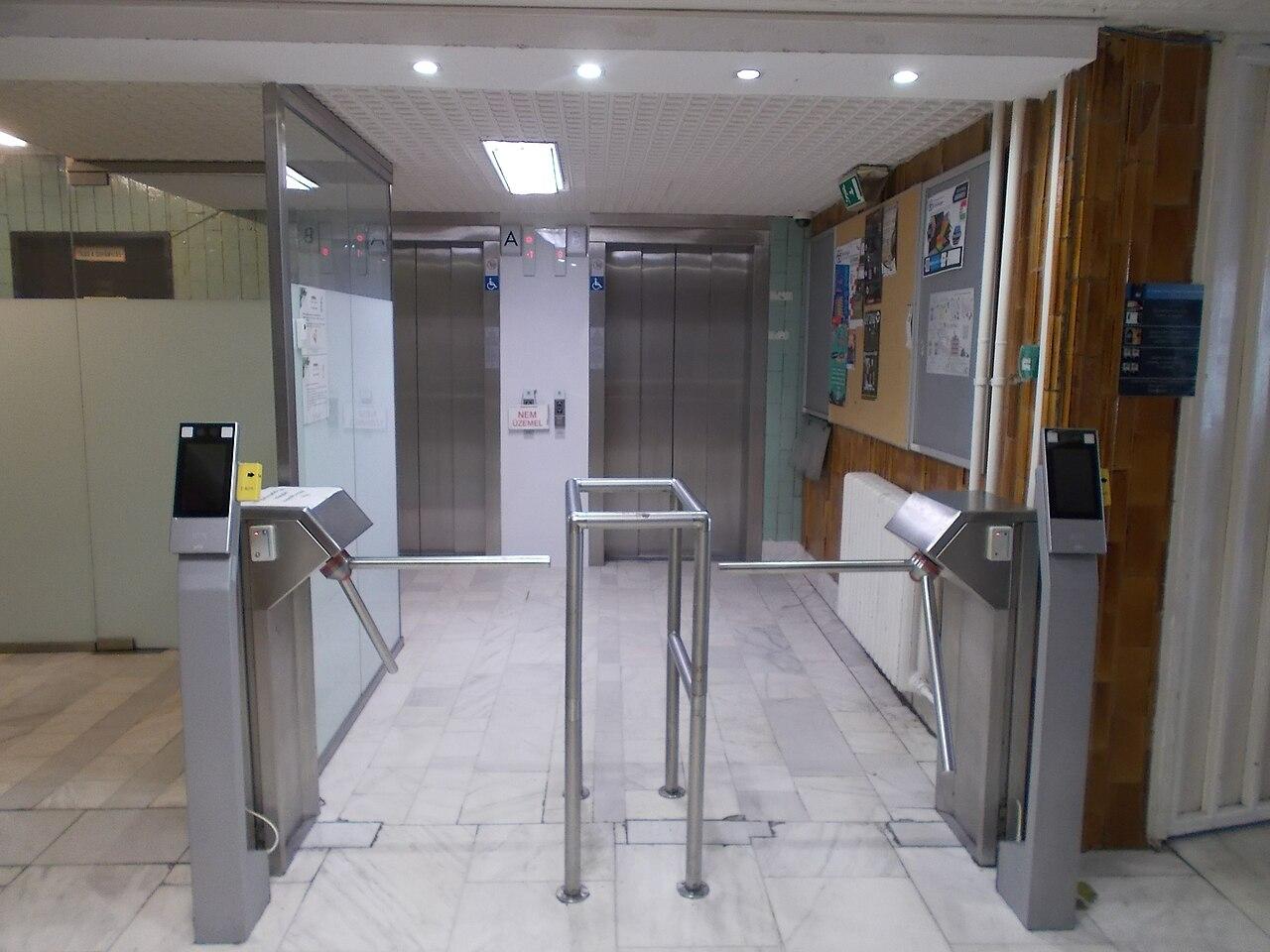
Separate tenant access responsibilities in one building
Define common-door access, tenant administration, event visibility, and move-out controls before sharing an access platform.
Quick answer: Define who controls common entrances, tenant suites, credentials, and access records before selecting a shared building platform. Give each administrator only the approved scope and test that boundary with ordinary accounts. Tenant turnover and shared users need explicit treatment because removing one local permission may leave other access intact.
A shared lobby makes the building look like one access-control problem. Behind it, several organizations may have different working hours, employee processes, and expectations about who can see their records. Installing readers does not settle those relationships.
Start with the building's actual agreements and operating responsibilities. The owner, property manager, and tenants should approve the administrative arrangement with appropriate professional review. This article provides planning questions, not an interpretation of a lease or a promise that one software configuration satisfies every building requirement.
Draw the boundary around each controlled area
Separate common entrances, tenant-controlled suites, shared amenities, service areas, and equipment rooms on the survey. Identify which organization approves access to each. A door used by several tenants should not inherit one tenant's policy merely because that tenant was first to request electronic access.
Include the path between areas. A person may have legitimate access to a suite but still need permission through the lobby or another controlled opening. Conversely, common-lobby access should not imply permission for every suite beyond it. Test the complete approved journey rather than treating each reader as an isolated project.
For a hypothetical office building, the property manager may control the exterior entrance while each tenant manages its own suite. A shared meeting room could have a separate booking process. Those are distinct decisions even if the same credential can eventually be used at all three locations.
Have qualified door and building specialists assess the physical arrangement and applicable requirements. Administrative separation does not replace the review of egress, accessibility, approved hardware, or other opening-specific conditions. The door survey checklist helps collect the information needed for that discussion.
Separate an access decision from an administrative privilege
Permission to enter a space is different from permission to issue credentials, change schedules, or retrieve records. Write down the tasks each role needs to perform. A tenant receptionist may need to manage approved visitors without gaining control over the building's exterior-door schedule.
Kisi's access-rights documentation distinguishes organization, place, and group scopes. Its organization-level access-manager example can include unlocking doors throughout the organization. This is a useful reminder that a role's friendly name does not establish a narrow tenant boundary.
Ask the platform supplier to demonstrate the proposed delegation with test accounts. Confirm which doors, users, settings, and reports each account can access. Do not accept a screenshot of the global administrator's dashboard as proof that a tenant administrator will have an appropriately limited view.
Where the software cannot provide the agreed separation, discuss a different architecture or operating process before purchase. It is better to identify that mismatch early than to promise isolation and later discover it depends on everyone voluntarily ignoring controls they can still use.
Decide how common-door permissions are granted
Define the request and approval path for a tenant employee who needs building access. The tenant may confirm employment, while the property manager applies the approved common-door policy. The arrangement should state who can authorize which change and what evidence the other party needs.
Keep schedules explicit. One tenant's extended working hours should not automatically change the unlocked state of a shared entrance for everyone. Credential-based entry, public opening hours, and temporary exceptions are separate decisions whose effects need to be understood across the building.
Use a hypothetical weekend event to test the process. A tenant wants guests to attend outside ordinary hours. Determine whether the approved response involves individually authorized access, a staffed arrival arrangement, or another reviewed method. Avoid assuming that leaving a shared entrance unlocked is the only convenient option.
Include service personnel whose work crosses several tenant areas. Their permissions may require approvals from more than one party. A building maintenance role should not silently become a universal tenant-suite entitlement unless the responsible organizations have explicitly agreed to that scope.
Keep one person's several relationships visible
A person can have more than one legitimate relationship with a building. They might work for one tenant, provide approved services to another, or retain access to a shared facility. The access record must represent those relationships without making one tenant the accidental owner of every permission.
Kisi's user-management guidance notes that removal by a place administrator or group manager affects the managed scope while permissions elsewhere can remain. That is a platform-specific example of why removing a person from one group is not necessarily equivalent to removing all building access.
Decide how a report about a lost credential or a departed employee reaches the parties who control the relevant permissions. Some events may require a broader response than ordinary tenant offboarding. The approved process should identify who can coordinate that response without disclosing unnecessary information between tenants.
Avoid duplicating user identities casually to work around an unclear governance model. Duplicate records can make review harder and obscure which credential belongs to which person. Have the platform administrator explain the supported identity arrangement and its consequences before using it across organizations.
Test what tenant administrators can see and change
Use a test tenant role to perform normal tasks and attempt actions outside its approved scope. The goal is to verify the boundary through observable behavior. Check both the web interface and the mobile workflow where staff will use them.
Build the acceptance exercise around concrete questions:
- Can the tenant manage only the users and permissions assigned to its scope?
- Are other tenants' doors, events, and administrative settings appropriately restricted?
- Can common-door changes occur only through the approved authority?
- Does removing a local permission preserve or remove other permissions as intended?
Review reporting and exports as well as door control. A role may be unable to unlock another suite yet still have access to broader event information. The organization must decide what visibility is appropriate and verify that the platform and operating process support it.
Do not substitute a shared administrator login for a difficult delegation problem. Individual approved accounts make responsibility clearer and allow access changes when staff leave. If a task requires escalation to the building administrator, provide a workable escalation path rather than distributing the master account.
Make incidents and support requests cross the boundary correctly
A failed reader at a shared entrance may affect several tenants, while a suite credential problem may belong to one tenant's administrator. Give occupants a clear way to report the location, symptom, and time without exposing sensitive credential data in an unrestricted message.
Define who coordinates the response when several parties are involved. A tenant should not have to guess whether the property manager, platform administrator, or equipment service contact owns the next step. The responsibility can be shared, but the communication path should be straightforward.
Set expectations for requests to review access records. Confirm the approved purpose, authorized requester, and relevant scope before producing a report. An access event is system information whose interpretation may require context; it should not automatically be treated as conclusive proof of every person's physical movement.
Keep emergency procedures within the building's approved arrangements. This governance exercise should not create improvised lockdown or egress instructions. Have the appropriate building and safety professionals define those procedures and verify any affected access-system functions.
Prepare for a tenant move-out before it happens
List the permissions, credentials, administrators, integrations, and shared-door arrangements that must be reviewed when a tenancy ends. The change may affect people who also serve another tenant, so avoid treating the tenant's departure as permission to delete every related identity without review.
Distinguish removal of tenant administrative control from removal of door-entry permissions. Both can be necessary, but they are different actions. Confirm that former administrators cannot continue changing shared settings or retrieving records after their authority ends.
Review equipment and account ownership using the actual agreement. A tenant-funded reader, a building-controlled controller, and a shared cloud account may have different responsibilities. Resolve the accepted disposition and any necessary transition before the keys and credentials are handed over.
Use the business access-control guide to frame the next tenant's requirements as a new approved scope. Reusing hardware can be sensible, but copying the former tenant's permissions and schedules without inspection carries old assumptions into a different operation.
The takeaway
A shared access platform needs a clear division of authority. Define common spaces, tenant spaces, administrative tasks, and records visibility before relying on software roles to represent them. Then test the arrangement with the accounts people will actually use.
Pay particular attention to shared users and tenant turnover. Removing one relationship may leave other valid or unintended permissions behind, while a broad deletion can disrupt someone else's approved access. A well-defined process makes those decisions deliberate and keeps the building understandable as its occupants change.
Scope shared-building access responsibilities
Discuss commercial access-control installation with BlueHouse Telecom, including common entrances, tenant boundaries, and the people authorized to manage each part.
FAQ
Does one credential require one shared administrator account? No. Credential convenience and administrative authority are separate design questions. Use supported role delegation and individual approved accounts, and verify the actual boundaries in the chosen platform.
Can a tenant administrator remove all of a person's building access? It depends on the role and system scope. A local removal may leave permissions elsewhere, so define and test how tenant departure, credential loss, and broader access removal are handled.
Should each tenant be able to change the lobby unlock schedule? Establish that authority through the building's approved governance arrangement. A shared entrance affects other occupants, so schedule changes need a process that reflects the agreed common-area responsibilities.
Can existing hardware simply be assigned to a new tenant? Review ownership, supported configuration, credentials, administrators, and the new tenant's requirements first. Reuse may be appropriate, but the prior tenant's permissions and operating assumptions should not be copied without approval and testing.