
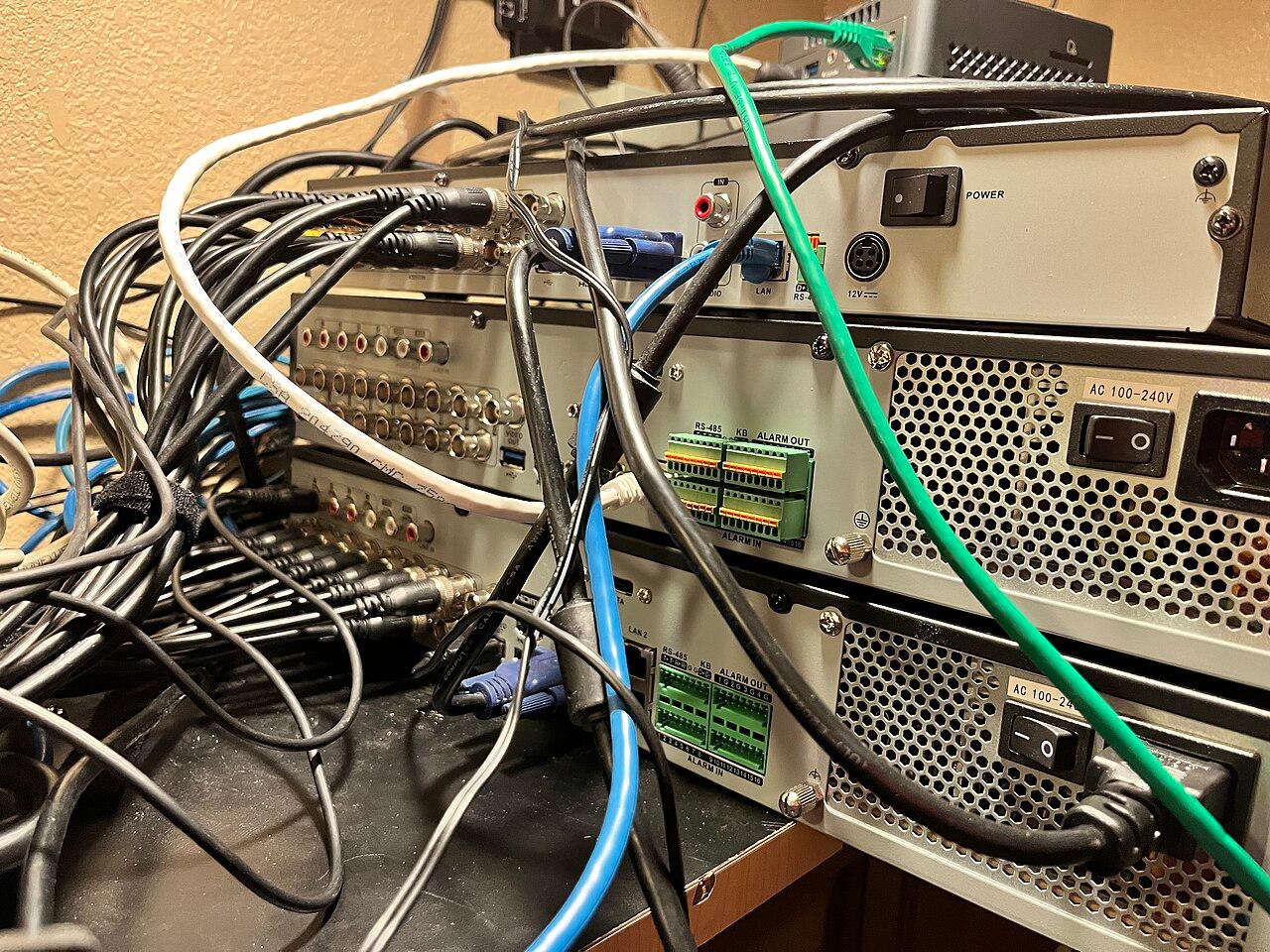
Plan Technology Decommissioning When a Branch Closes
Close a branch technology footprint with verified service cancellation, equipment disposition, data handling, and ownership records.
Quick answer: Inventory the branch's services, equipment, accounts, and retained records before choosing a shutdown sequence. Confirm which dependencies must remain until the business finishes its work, then assign cancellation, recovery, data handling, and equipment disposition to authorized owners. Close the project with evidence of the actual result rather than assuming an empty building means every obligation has ended.
A dark branch can keep generating telecom charges. Equipment may remain assigned to the old location, an account may still expect a returned device, and a service cancellation request may be waiting for information nobody is monitoring. Physical closure and administrative closure are different parts of the same project.
Decommissioning also affects data and other locations that may depend on shared services. The process below is a planning framework for an authorized business closure. The responsible owners must determine applicable retention obligations, contract terms, and supported technical procedures before any destructive action or service cancellation occurs.
Build the closure inventory before disconnecting
Identify the circuits, cellular lines, hosted services, management accounts, and physical equipment associated with the branch. Reconcile billing records with the site and asset inventory. A service appearing on an invoice may use a name or identifier that no longer matches the sign on the building.
Record ownership and disposition requirements for equipment. Distinguish business-owned assets from provider equipment and other items subject to return arrangements. Include the identifiers needed to connect each device to the relevant account and eventual receipt.
Use the business cellular audit guide where mobile lines form part of the closure. For the wider project, keep the inventory tied to the actual branch scope. Do not cancel a line or circuit solely because its billing description resembles the closing location.
Identify work that must finish before shutdown
Ask operations and application owners which activities remain after the final customer-facing day. Staff may need to reconcile records, transfer inventory, complete approved exports, or support a move. Determine the connectivity and system access required for those tasks.
Check for dependencies involving other locations or shared services. A device physically located at the closing branch may support a function beyond that address. Have qualified administrators trace the relevant relationships and confirm the impact before scheduling removal or disconnection.
I would not use the lease handback date as the only shutdown instruction. It is an important project constraint, but it does not explain which business tasks and technical dependencies must end first. The sequence should protect the work the business still needs to complete while respecting the actual property timetable.
Assign decisions about records and retained data
Have the responsible data, legal, and business owners determine what must be retained, transferred, or removed. Use the organization's approved retention and security processes. The installation team should not decide that a device is safe to erase because the branch is closing.
Identify where relevant data may reside and who can authorize its handling. Local storage, configuration backups, and cloud applications may require different procedures. Keep the approved records and access needed to verify a transfer before the source is removed or sanitized.
NIST's media sanitization guidance, Revision 2, describes developing a sanitization program suited to information sensitivity. Use the responsible security team's approved method for the actual media. A generic reset instruction should not be presented as proof that every kind of retained data has been appropriately handled.
Plan account and service changes separately
Review each account's continuing purpose. Some services may be canceled; others may move to a new location or remain part of the business's wider environment. Have authorized account owners confirm the correct action and its effect on shared administration or integrations.
Preserve the supported access needed to complete remaining closure work. Removing an administrator too early can complicate a return, export, or service change. Conversely, temporary project access should not remain indefinitely after its purpose ends. Sequence the changes through the approved process.
Record the request, responsible party, and confirmation needed for each service action. A submitted cancellation form is a milestone, but the business still needs the provider's applicable completion evidence and final account reconciliation. Keep unresolved requests assigned after the physical branch has closed.
If the branch's published phone number will continue serving customers elsewhere, treat its approved transition as a dependency of cancellation. Have the account owner confirm the supported sequence with the provider. Do not let a closure checklist issue a blanket disconnect while that business decision is still unresolved.
Match equipment disposition to ownership and terms
For each item, choose the authorized destination: another business location, approved storage, supplier return, or an appropriate disposal process. Record the decision and the handling requirements. Do not let useful equipment disappear into an informal spare pile with no asset owner.
Verizon's business equipment-return guidance distinguishes return processes by service type. Follow the current instructions applicable to the specific account and device rather than assuming that one label, location, or deadline covers every Verizon product.
Preserve the relevant packing, tracking, and receipt evidence. If a replacement return label is issued or the destination changes, update the record so the business can explain what was actually shipped. A device removed from the rack is not yet a completed return.
Use a controlled shutdown and removal sequence
Have qualified personnel prepare the supported technical steps for disconnecting and removing the equipment. Identify the last required operating checks, the authority to proceed, and the conditions that require a pause. Coordinate property access and any required physical restoration with the responsible parties.
A practical closure sequence should identify:
- The business tasks and dependencies that must finish first.
- Approved data handling and the evidence required before removal.
- Service and account actions with their responsible owners.
- Equipment destinations and the records confirming final disposition.
Keep the work scoped to the closing branch. Shared account structures and similarly named locations make accurate identification particularly important. Verify the target before consequential actions and preserve the record of what was authorized and completed.
Reconcile the final bills and return evidence
Have the responsible account or finance owner review the provider's completion notices and subsequent billing through the applicable process. Confirm the services and charges against the authorized closure actions. Keep disputed or unexplained items visible rather than assuming the last ordinary invoice is the final one.
Match equipment return confirmations to the physical identifiers and account records. If the provider reports a missing item, the project should be able to retrieve the relevant shipment and receipt evidence. Resolve the issue through the provider's process and retain the outcome.
Use the site deployment service scope to coordinate these tasks with the physical work where appropriate. The closure owner should understand which team handles the installation record and which team owns account reconciliation. Neither responsibility disappears because the building is no longer occupied.
Preserve a final record and retire obsolete references
Create a closure record showing the actual service outcomes, equipment dispositions, approved data handling, and unresolved items. Retain it according to the business's policies, with appropriate access controls. The record should explain what happened without preserving unnecessary secrets or broad temporary access.
Update the active inventory and support information so the closed branch is not mistaken for an operating site. Keep historical identifiers where needed for billing, asset, or incident records. A retired location should remain traceable without cluttering the current deployment view as if it were still active.
Review the closure after the remaining obligations are resolved. Identify missed services, difficult account relationships, or unclear ownership that should be addressed earlier in future projects. Those lessons can improve the next opening as well as the next closure, because both depend on a reliable account of what the business actually operates.
The takeaway
A branch closure needs an intentional sequence covering business work, services, accounts, data, and physical equipment. Establish the inventory and decision owners before disconnecting anything, and use supported procedures for the actual systems involved.
Finish with evidence of cancellation, return, transfer, or disposal as applicable. An empty building is only one visible result. The business also needs an accurate final record showing which obligations ended, which assets moved, and which responsibilities remain assigned until closure is complete.
Plan your branch technology transition
Discuss your location changes and connectivity scope with BlueHouse Telecom.
FAQ
Can we cancel every service on the branch's last trading day? First confirm remaining administrative work and shared dependencies. Some services may need to remain temporarily or transfer elsewhere, and the authorized owners should determine the sequence under the actual account terms.
Does a factory reset satisfy data-handling requirements? Do not assume it does for every device or type of media. The responsible security and data owners should select and verify the approved process based on the actual equipment, information, and retention requirements.
How do we know a provider equipment return is complete? Follow the service-specific return instructions and retain tracking and the applicable receipt or account confirmation. Reconcile the result with the device identifier and resolve any discrepancy through the provider's process.
What should remain after a branch is decommissioned? Keep the approved closure record, required retained information, and assigned ownership of unresolved obligations. Update active inventories and access through the business's processes while preserving the history needed to explain the final disposition.