
What Business Fiber Internet Really Costs and Why Quotes Vary
Two businesses on the same street can get fiber quotes that differ by hundreds of dollars a month. Here is what drives the price and how to read a quote so it makes sense.
Sloane Vance
March 17, 2026
I get asked a version of this question almost every week. A business owner shows me two fiber quotes for the same building and wants to know why one is 700 dollars a month and the other is 1,400 for what looks like the same speed. The short answer is that the speed on the page is the least interesting part of a fiber quote. The price is built from things that never make it into the marketing.
Lit Buildings vs Construction
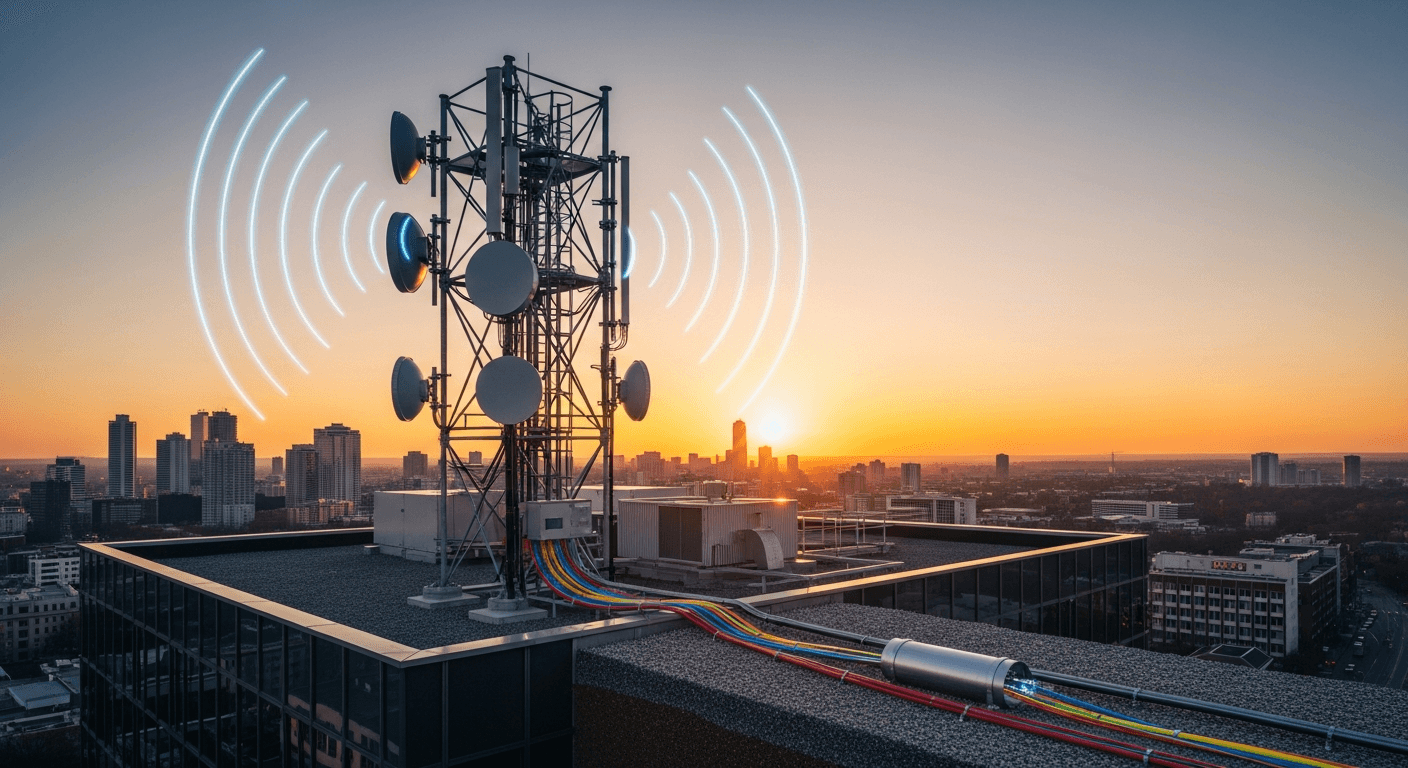
The single biggest factor in a fiber price is whether the carrier already has fiber in your building. A lit building means the carrier has live fiber in the basement or the riser, and connecting you is mostly a matter of cross connecting and provisioning. Those quotes come in low and install fast.
An unlit building is a different story. If the nearest fiber is a few hundred feet down the street, somebody has to trench, pull conduit, and bring it into the building. That construction can cost the carrier anywhere from a few thousand dollars to well over a hundred thousand, depending on what is between their fiber and your suite. Sometimes the carrier eats that cost and bakes it into a longer term. Sometimes they pass part of it to you as a construction charge. Either way, that is why the building next door can have a cheaper quote than you do.
Speed, Term, and the Real Line Items
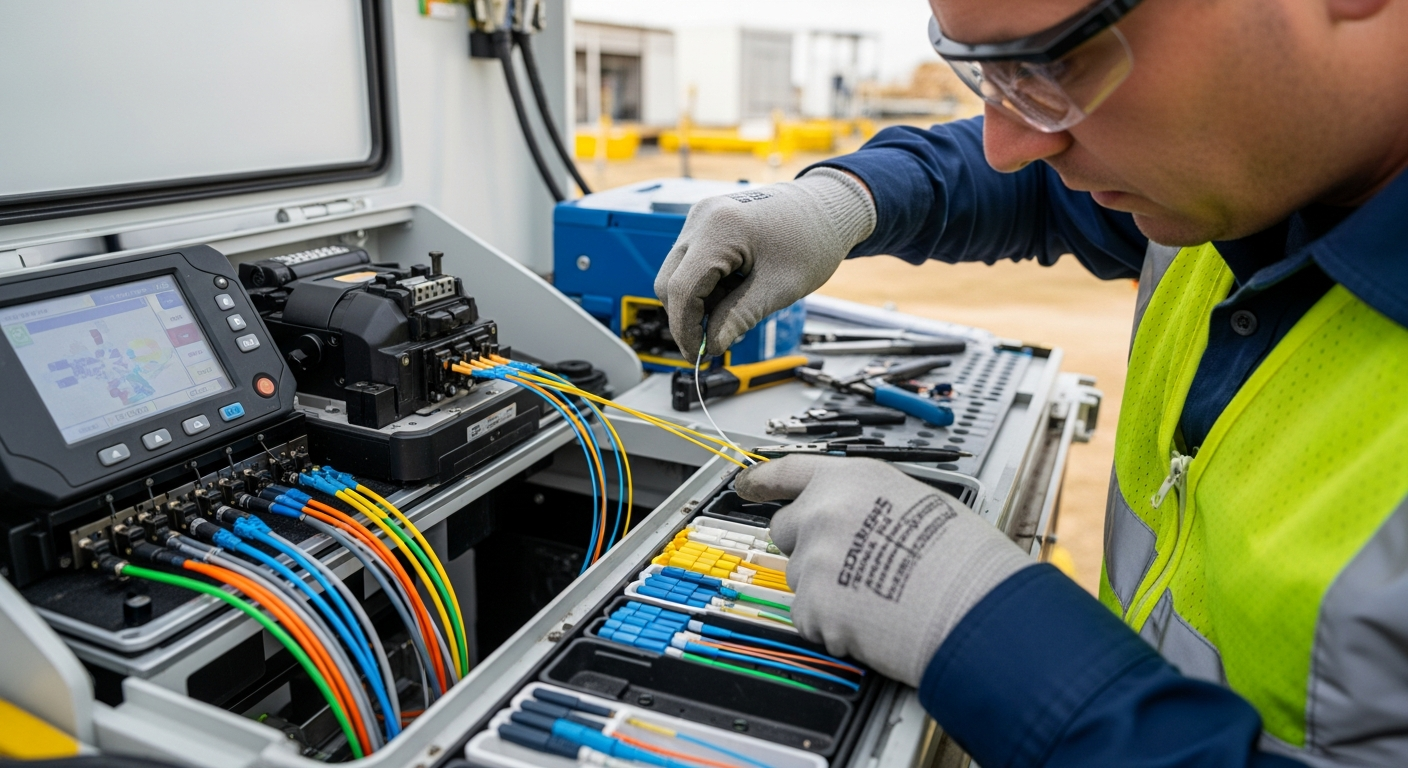
On dedicated fiber, the jump from 200 Mbps to 1 Gbps is often smaller than people expect, because the circuit and the construction are the expensive part, not the bandwidth itself. It is common to see 500 Mbps and 1 Gbps priced only a couple hundred dollars apart on the same circuit. That is worth knowing, because buying the bigger pipe can be cheap insurance against outgrowing it in a year.
Then there is the term. A 36 month agreement almost always carries a lower monthly rate than a 12 month one, because the carrier has more time to recover its install cost. Watch for promo pricing that resets in year two, installation fees, equipment charges, and whether a static IP block is included or billed separately. A clean quote spells all of this out. A vague one hides it and surprises you on the second invoice.
Our first quote looked great until I read the second page. There was a construction charge and a price step up in month thirteen. The competing carrier was already lit in our building, so their slightly higher headline number was actually cheaper over three years.
— Finance Manager, a regional accounting firm
How to Compare Without Getting Fooled
Put every quote on the same footing before you compare. Calculate the total cost over the full term, not the monthly teaser. Add install fees, any construction charges, equipment, and the year two rate if it changes. Divide by the number of months and you get a true monthly number you can actually line up side by side. A 700 dollar quote with a 6,000 dollar construction charge over 24 months is really a 950 dollar circuit.
Also ask each carrier point blank whether your building is lit. That one answer explains most of the variation you will see, and it tells you who can install in two weeks versus who is quoting you a three month trenching project. The carriers will not always volunteer it, so you have to ask.
The reason quotes vary so much is that fiber pricing is local, physical, and specific to your exact address. There is no national rate card. The practical move is to gather offers from every carrier that reaches your building, normalize them to a true cost over the term, and pick the one that wins on the math rather than the headline. That is exactly the kind of apples to apples comparison a broker pulls together so you are not doing it one carrier at a time.
Ready to Transform Your Connectivity?
BlueHouse Telecom delivers personalized solutions for businesses across Southern California. Whether you need dedicated internet, managed security, or a complete telecom overhaul, we are here to help.