
VoIP vs Traditional Phone Systems: A Buyer's Guide
If your phone system is more than a few years old, you are probably overpaying for less. Here is a plain comparison of VoIP and traditional phones, and how to decide.
Marcus Sterling
May 19, 2026
There is a good chance the phone system in your office was chosen by someone who no longer works there, on a contract nobody has looked at in years. It still works, so nobody touches it. Meanwhile you are paying for copper lines and a physical box in a closet that does a fraction of what a modern system does for less money. If that sounds familiar, this is the comparison worth reading.
What the Two Systems Actually Are
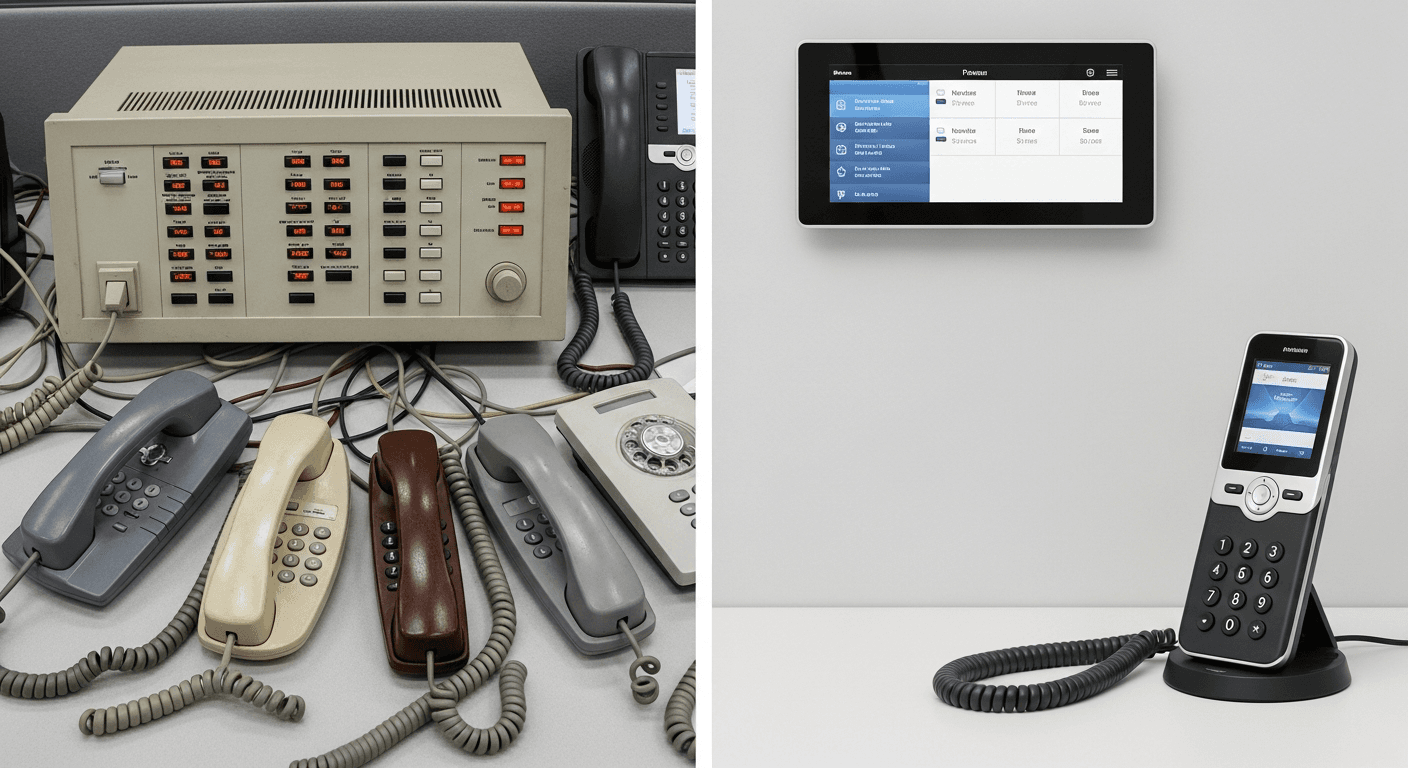
A traditional phone system runs over the old copper network or a PRI circuit into an on premise PBX, the box in the closet. You own or lease that hardware, you pay per line, and adding a phone usually means a technician visit. It is reliable in the way old things are reliable, but it is rigid and the per line cost adds up.
VoIP, voice over internet protocol, carries your calls as data over your internet connection. The PBX moves to the cloud, so there is no box in the closet to maintain. You pay per user instead of per copper line, and most of the intelligence lives in software that the provider updates for you. The trade is that your voice now depends on your internet connection, which is a real consideration we will come back to.

Cost and Features in the Real World
On cost, VoIP usually wins for businesses under a few hundred seats. Traditional lines often run 40 to 60 dollars per line per month before you add features. Hosted VoIP commonly lands around 20 to 35 dollars per user per month with the features already bundled in. Multiply that across 25 or 50 phones and the gap is not subtle.
Features are where the old system really falls behind. With VoIP, things that used to cost extra or did not exist are standard. Voicemail to email, call routing you can change yourself from a web portal, automatic call recording, a softphone app so the same office number rings on a cell phone, and clean integration with your CRM. Adding a new hire is a few clicks instead of a service call. For a team that hires, moves desks, or works partly remote, that flexibility is the whole point.
The thing that sold our staff was the mobile app. Reps work from the road and customers still call the main office number. With the old system, that would have meant forwarding lines and giving out cell numbers. Now it just works, and the bill dropped about a third.
— Office Manager, a regional services company
Reliability and How to Switch Cleanly
The honest knock against VoIP is that it lives on your internet connection. If the internet goes down, so do the phones, unless you plan for it. The fix is straightforward. Put your VoIP on a connection with a backup path, whether that is a second circuit or a cellular failover, and configure the system to forward calls to mobile phones automatically when the office connection drops. Done right, a VoIP outage routes calls to cell phones in seconds and your customers never know.
Switching does not have to be painful either. You keep your existing phone numbers through a process called porting, which takes a couple of weeks but does not interrupt service. You can run the new system alongside the old one during cutover so nothing goes dark. The main thing to confirm before you start is that your internet connection has the headroom and the quality to carry voice, because a great phone system on a marginal connection sounds bad no matter what.
For most businesses the math and the features both point to VoIP, with the one caveat that your connectivity needs to be solid and backed up. The right way to buy it is to size your user count, list the features your team actually uses, and check that your internet is ready, then compare hosted providers on price and call quality. That is a quick review to run, and it usually ends with a lower bill and a phone system that finally does what people expect.
Ready to Transform Your Connectivity?
BlueHouse Telecom delivers personalized solutions for businesses across Southern California. Whether you need dedicated internet, managed security, or a complete telecom overhaul, we are here to help.