
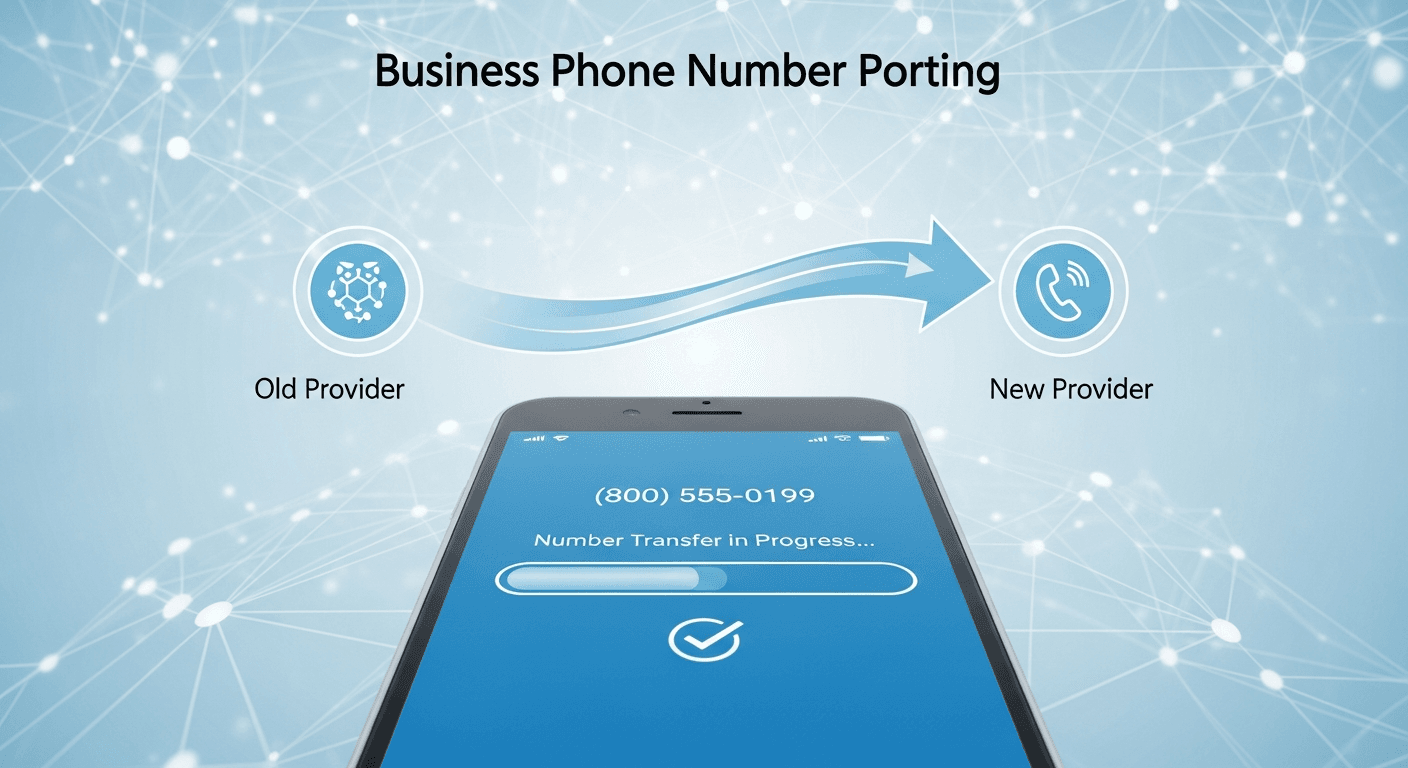
Switching Telecom Providers Without Losing Your Business Phone Number
Fear of losing established business phone numbers is the single biggest barrier to switching telecom providers. Number porting regulations guarantee your right to keep your numbers, but the process requires careful coordination.
Marcus Sterling
September 14, 2025
The phone numbers on your business cards, website, advertising, and client contact lists represent years of brand equity. Losing those numbers during a telecom provider switch would mean updating every piece of marketing collateral, notifying every client, and potentially losing calls from customers who only know your old number. This fear of number loss keeps many Southern California businesses locked into underperforming or overpriced telecom services long past the point where switching would be beneficial.
The good news is that federal regulations administered by the FCC guarantee your right to port your telephone numbers from one provider to another. This right applies to local numbers, toll-free numbers, and vanity numbers. Your current provider cannot refuse a properly submitted porting request, and they cannot charge you a fee for releasing the numbers. The process is well-established and, when managed correctly, results in zero downtime for your phone service.
The Porting Process Explained
Number porting begins with a Letter of Authorization and a Customer Service Record from your current provider. These documents verify that you are the authorized user of the phone numbers and provide the technical information the new provider needs to complete the port. The new provider submits the porting request to the losing carrier, and the port is typically completed within five to ten business days for standard local number ports. Toll-free number ports may take slightly longer due to the involvement of the toll-free number registry.
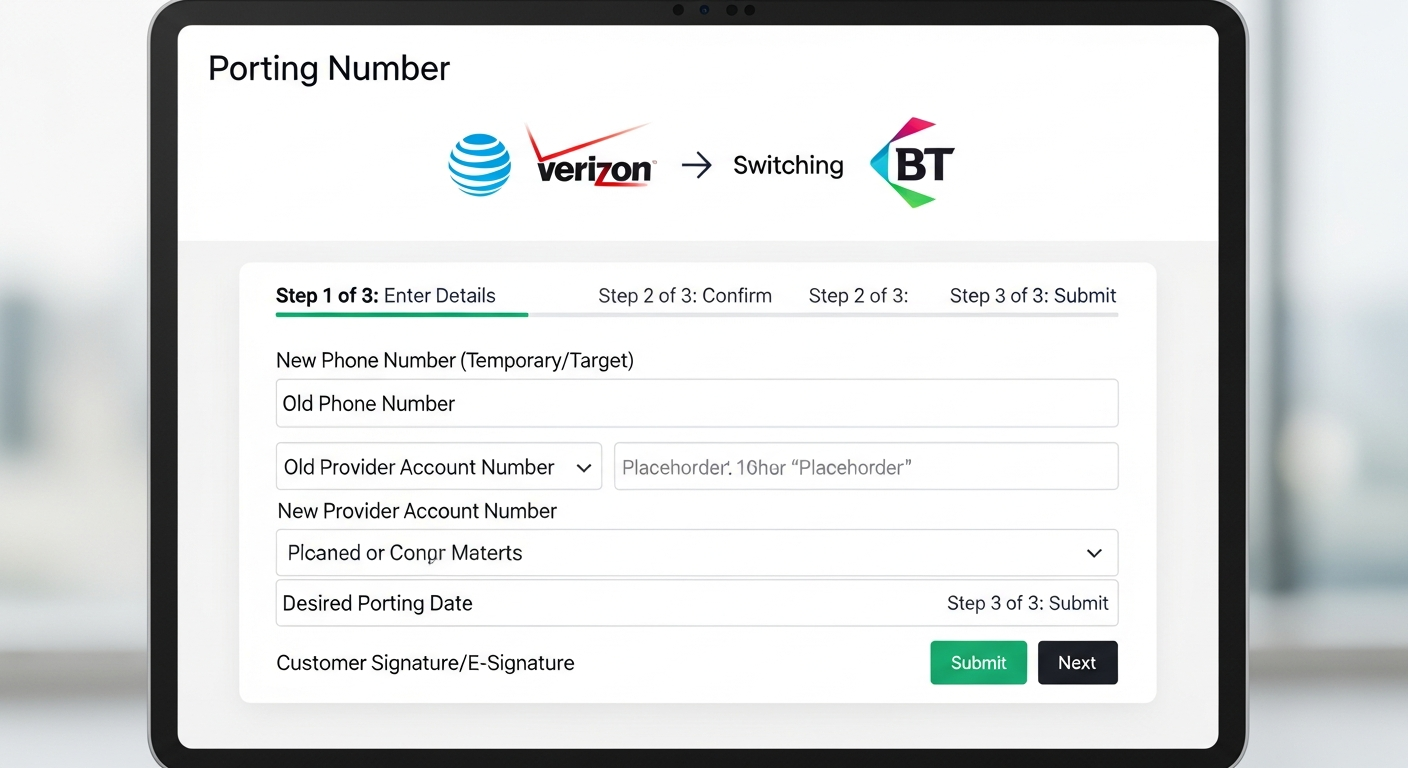
The most critical element of a successful port is the accuracy of the information on the Letter of Authorization. The name on the LOA must exactly match the name on the account with the losing carrier. The service address must match. The authorized signer must be someone with authority over the account. Any discrepancy, even a minor one like a suite number that does not match, can cause the port to be rejected and restarted, adding days or weeks to the process.
BlueHouse managed the porting of 85 phone numbers from our legacy PBX provider to a cloud VoIP platform. The cutover happened at 6 AM on a Saturday, and when our staff arrived Monday morning, everything worked exactly as before with the same numbers and the same extensions.
— Office Manager, Orange County legal firm
Ensuring a Seamless Transition
BlueHouse Telecom manages the complete number porting process for every client migration. We handle LOA preparation, CSR requests, port scheduling, and cutover coordination to ensure your business experiences zero disruption during the transition. If you are considering switching telecom providers for your Southern California business, contact us for a migration consultation that includes a detailed porting plan for your numbers.
Ready to Transform Your Connectivity?
BlueHouse Telecom delivers personalized solutions for businesses across Southern California. Whether you need dedicated internet, managed security, or a complete telecom overhaul, we are here to help.