
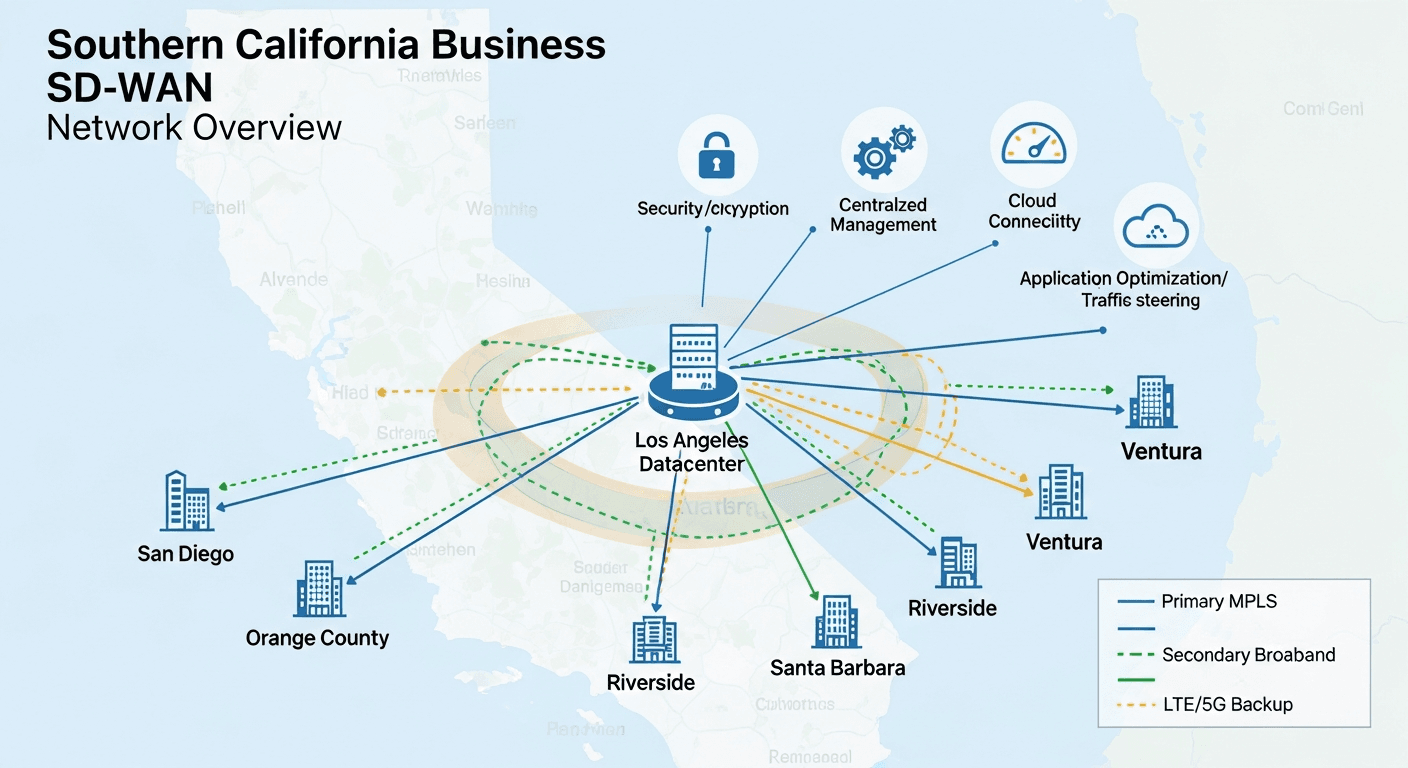
SD-WAN vs MPLS: Which WAN Fits a Multi-Site Business
MPLS still has a place, but most multi-site businesses are better served by SD-WAN. Here is how to tell which one fits your offices, your budget, and your applications.
Marcus Sterling
February 11, 2026
If you run a business with more than a couple of locations, somebody has probably pitched you on SD-WAN by now. They may have pitched it as a replacement for MPLS, as a layer on top of MPLS, or as the thing that finally fixes your slow connection between the warehouse and headquarters. The pitch is usually right about the problem and vague about the details. Let me make the details concrete.
What MPLS Actually Buys You
MPLS is a private network service from a carrier. Your sites connect into the carrier cloud, and traffic between them never touches the public internet. The big advantage is predictable performance. The carrier prioritizes your traffic and guarantees latency and packet loss, which is why MPLS earned its reputation with applications that hate jitter, like voice and older client server software.
The downsides are cost and rigidity. An MPLS port can run two to four times the price of a comparable internet circuit, and adding a new site means ordering a new carrier circuit and waiting weeks for it. If you open locations often, or you need a site running fast, MPLS turns every expansion into a procurement project.
What SD-WAN Does Differently
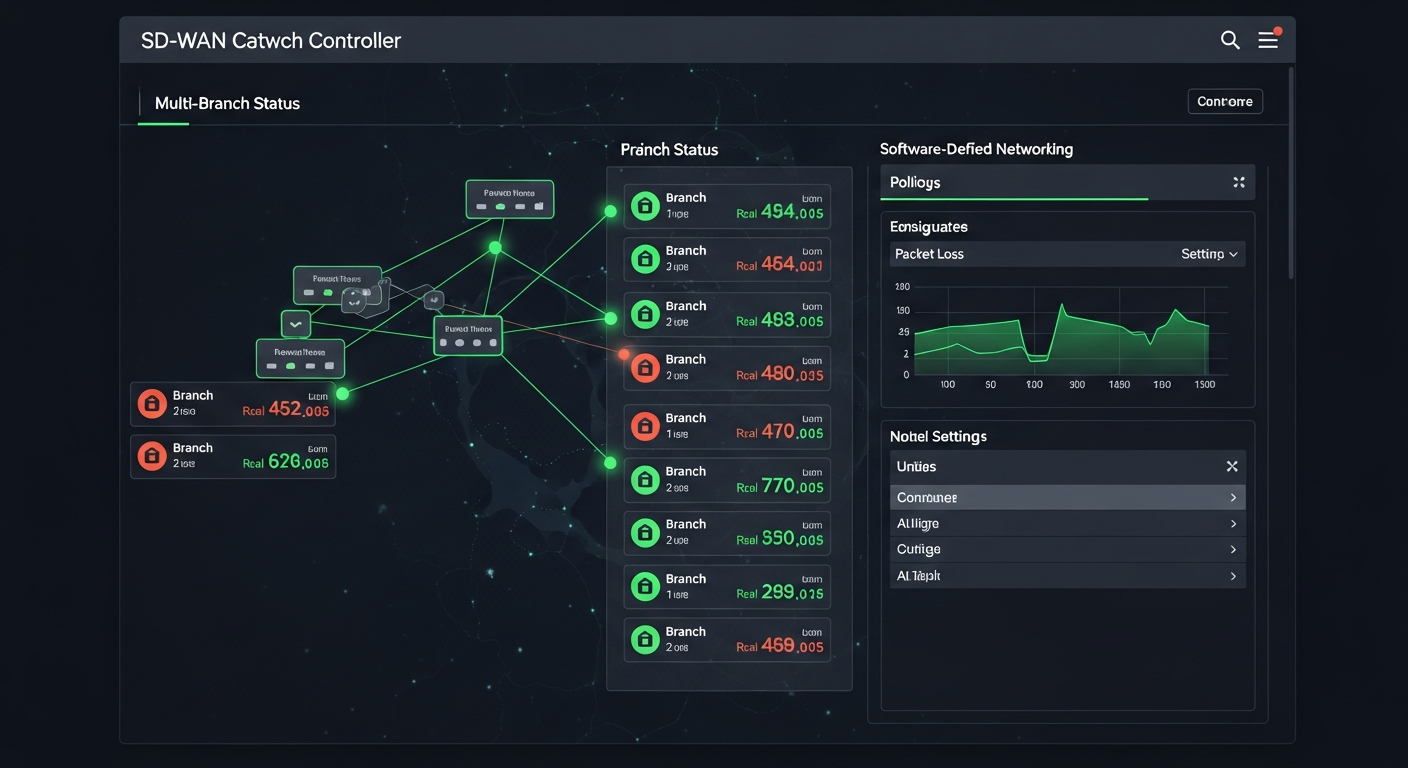
SD-WAN does not replace your circuits. It sits on top of them. You put an appliance at each site, connect whatever transport you have, and the SD-WAN steers traffic intelligently across those links. The software watches each connection in real time and routes each application down the path that is performing best at that moment. If the primary link gets congested or drops, voice and critical apps fail over to the backup without dropping the session.
That last part is the real win. With two cheaper internet circuits and SD-WAN, a branch can ride through an outage that would have taken an MPLS-only site dark. You get redundancy at a price point that used to be reserved for headquarters.
We were paying for MPLS to nine locations and dreading every new store opening because the circuit lead time was eight weeks. With SD-WAN over two business internet lines per site, we cut the monthly cost by about a third and a new store is online the day the internet gets installed.
— IT Director, a regional retail chain
How to Decide
Start with your applications. If almost everything your people use lives in the cloud, which is the case for most businesses now, hauling that traffic back to a central MPLS hub just to send it out to the internet is wasted money and added latency. SD-WAN can break that traffic out locally and route it the short way. If you still run heavy on premise systems that demand guaranteed latency between sites, MPLS or a hybrid design might still earn its keep.
Then count your sites and your growth. A stable two location business with a single critical link may not need the complexity of SD-WAN at all. A company opening locations every quarter almost certainly does, because the ability to light a site on ordinary business internet in days instead of weeks changes how fast you can move.
For most multi-site businesses the honest answer is SD-WAN over a pair of internet circuits per site, with MPLS kept only where a specific application truly requires it. The right move is to map your locations, list the applications that cannot tolerate delay, and price both designs across the carriers that actually serve each address. The numbers usually make the decision for you.
Ready to Transform Your Connectivity?
BlueHouse Telecom delivers personalized solutions for businesses across Southern California. Whether you need dedicated internet, managed security, or a complete telecom overhaul, we are here to help.