
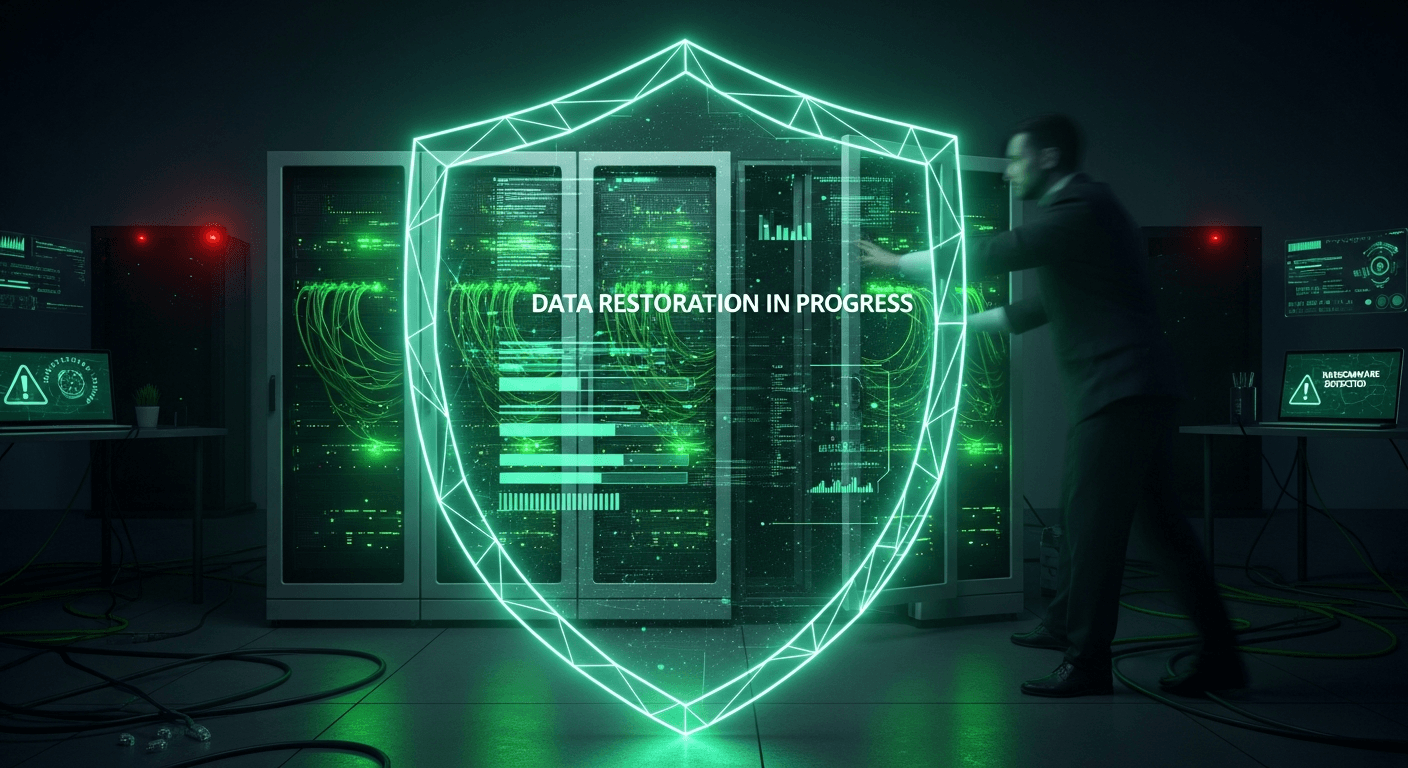
Ransomware Resilience: Building a Recovery Plan That Actually Works
Ransomware attacks in Southern California have increased 40 percent year over year. A tested recovery plan is the difference between a minor disruption and a catastrophic business failure.
Elias Thorne
December 10, 2025
Ransomware attacks targeting Southern California businesses have increased dramatically, with threat actors focusing on mid-market companies that often lack the dedicated security teams of larger enterprises. The attacks follow a predictable pattern: infiltration through phishing or exploited vulnerabilities, lateral movement across the network, encryption of critical files, and a ransom demand that can reach six or seven figures. For businesses in San Diego, Orange County, and the Inland Empire, the question is no longer whether an attack will occur but how quickly operations can resume when it does.
The businesses that recover fastest from ransomware attacks share a common trait: they built and tested their recovery plans before the attack occurred. A recovery plan that exists only as an untested document provides false confidence. The organizations that conduct quarterly recovery drills, verify backup integrity, and maintain offline copies of critical data are the ones that measure recovery time in hours rather than weeks.
Essential Components of a Recovery Plan
An effective ransomware recovery plan starts with a comprehensive data classification exercise. Not all data carries the same recovery priority. Financial records, customer databases, and operational systems need to be restored first, while archived marketing materials and historical reports can wait. This prioritization drives your backup schedule, storage allocation, and recovery time objectives for each data category.
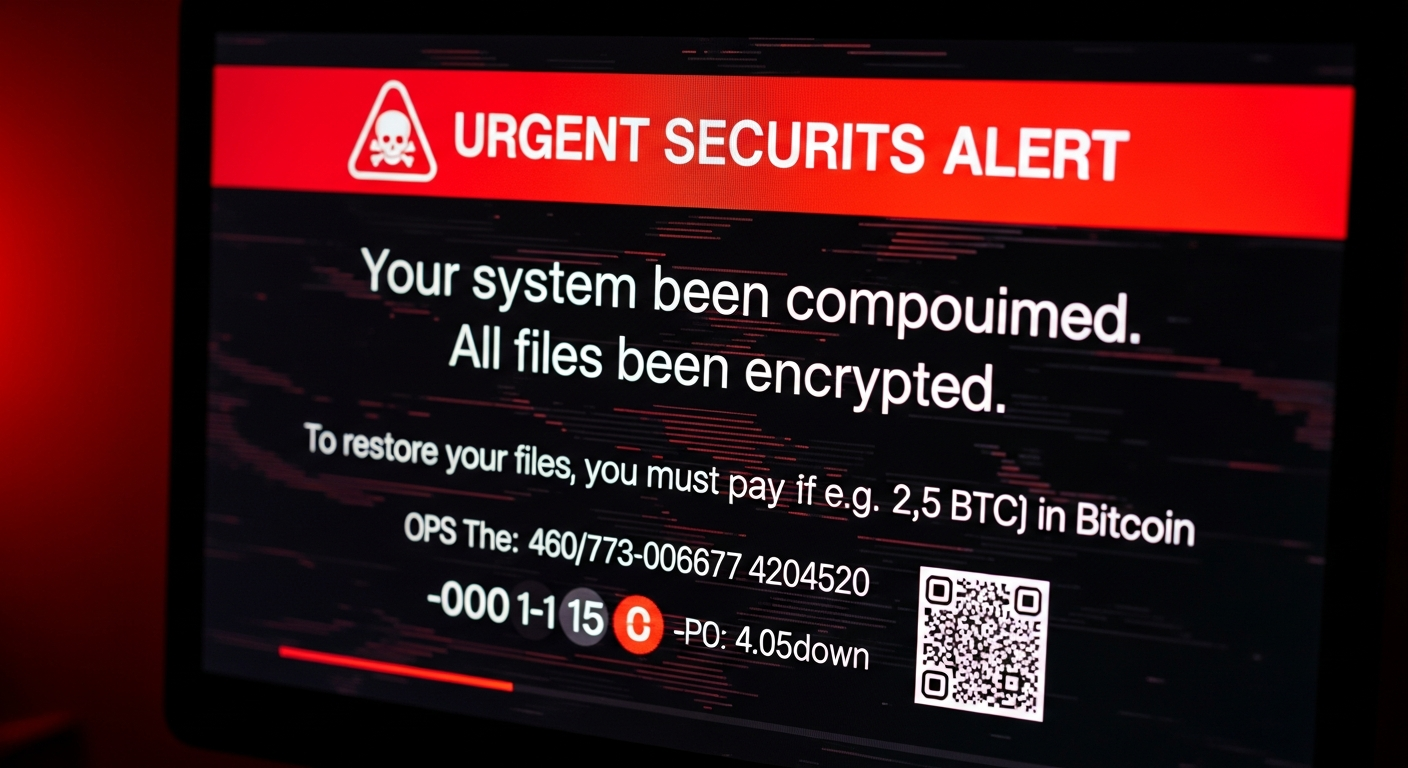
Backup isolation is the single most important technical control in your recovery plan. Attackers specifically target backup systems during ransomware attacks, knowing that destroying backups eliminates the victim's ability to recover without paying. Air-gapped backups, immutable cloud storage, and geographically separated backup copies ensure that at least one clean copy of your data survives even the most sophisticated attack.
When ransomware hit our Carlsbad office, our immutable cloud backups were the only thing that saved us. The attackers had compromised our on-premises backup server within the first hour. We were fully operational again in 14 hours because of those isolated backups.
— CEO, Carlsbad manufacturing company
Partner with BlueHouse Telecom
BlueHouse Telecom provides managed cybersecurity and disaster recovery services for Southern California businesses. Our ransomware resilience program includes backup architecture design, quarterly recovery testing, and 24/7 incident response. Contact us to assess your current recovery readiness at your San Diego, Temecula, or Orange County location.
Protect Your Business Today
Cyber threats are evolving faster than most businesses can keep up. Schedule a free security assessment with our team to identify vulnerabilities and build a defense strategy tailored to your organization.