
Notification Fatigue: The Hidden Cost of Alert Overload on IT Teams
When every alert is critical, no alert is critical. Southern California IT teams drowning in thousands of daily notifications miss the genuine threats hiding in the noise.
Elias Thorne
February 22, 2026
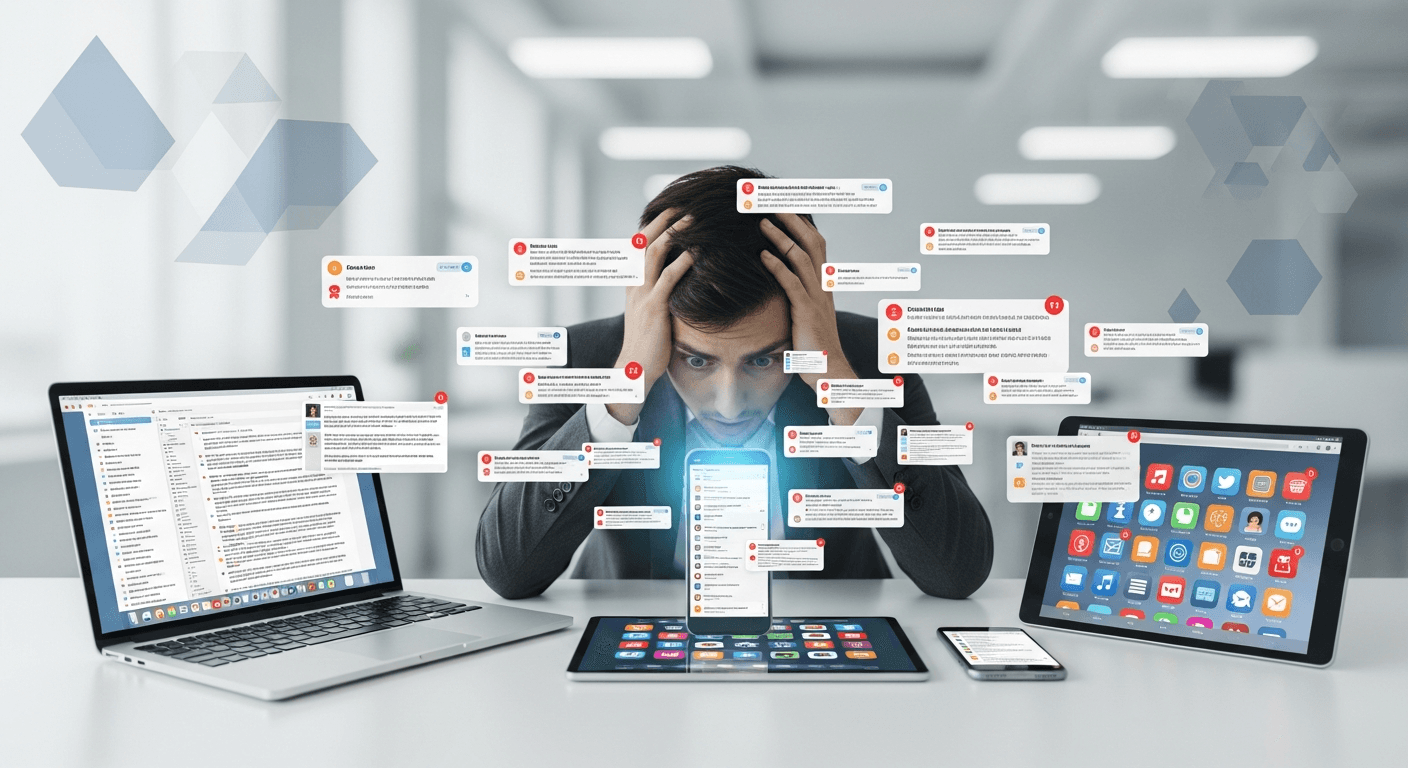
The average IT team at a mid-sized Southern California business receives between 500 and 2,000 monitoring alerts per day. Firewall logs, endpoint protection alerts, network performance notifications, backup status reports, and application health checks generate a continuous stream of information that no human team can meaningfully process. The result is notification fatigue: a psychological condition where the sheer volume of alerts causes IT staff to ignore or dismiss notifications that may represent genuine threats.
The consequences of notification fatigue are well documented. Major security breaches at large organizations have been traced to alerts that were generated by security tools but ignored by overwhelmed analysts. The alert was present in the log; the detection system worked correctly. The failure was human: an analyst who had already dismissed hundreds of false positives that day did not investigate the one alert that was real.
Intelligent Alert Management
Solving notification fatigue requires a combination of technology and process changes. Alert correlation and deduplication tools consolidate related notifications into single events, reducing volume without losing information. If a single network issue generates alerts from the firewall, the router, the switch, and three monitoring tools, correlation technology recognizes that these six alerts represent one event and presents a single, enriched notification to the IT team.

Alert prioritization based on business impact ensures that the notifications that do reach the IT team are ranked by their potential effect on operations. An alert indicating that a production database server is approaching capacity should command immediate attention, while a notification that a developer workstation missed its weekly update can wait until the next business day. Without prioritization, both alerts compete equally for analyst attention.
Our San Diego IT team was receiving over 1,800 alerts per day before BlueHouse redesigned our monitoring. After implementing correlation and prioritization, we receive fewer than 40 actionable alerts daily. Our response time to genuine incidents improved by 75 percent because our team can actually focus.
— IT Director, San Diego financial services company
Managed Monitoring from BlueHouse
BlueHouse Telecom provides managed monitoring services with intelligent alert management for Southern California businesses. We filter the noise, correlate related events, and deliver actionable notifications that keep your IT team focused on what matters. Contact us to reduce alert fatigue and improve your incident response.
Protect Your Business Today
Cyber threats are evolving faster than most businesses can keep up. Schedule a free security assessment with our team to identify vulnerabilities and build a defense strategy tailored to your organization.