
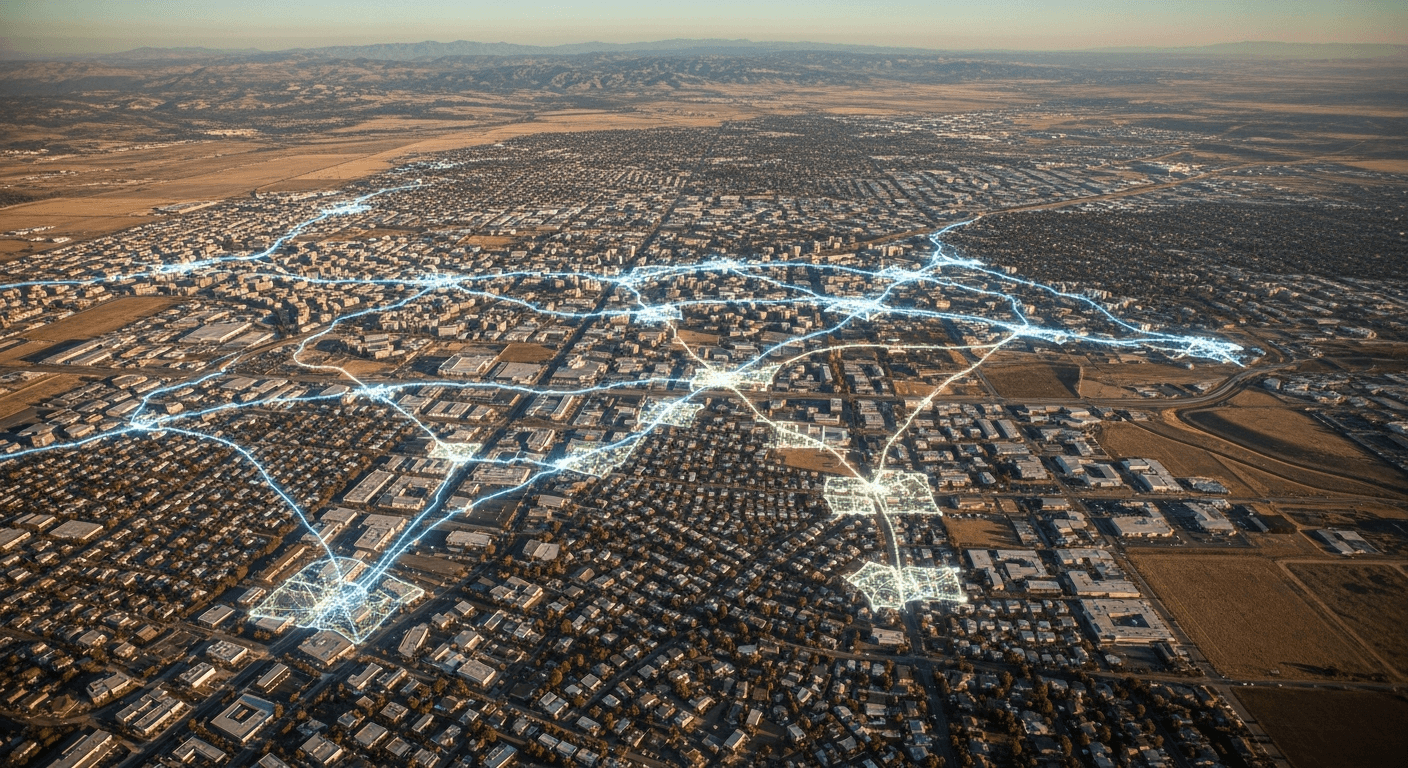
Bridging the Digital Divide: Internet Access Challenges in the Inland Empire
The Inland Empire is one of the fastest-growing regions in Southern California, but internet infrastructure has not kept pace with residential and commercial development. Fixed wireless and community broadband initiatives are working to close the gap.
Elias Thorne
October 26, 2025
The Inland Empire, encompassing Riverside and San Bernardino counties, has experienced explosive population and commercial growth over the past decade. Families priced out of coastal markets have moved to Riverside, Corona, Ontario, Rancho Cucamonga, and dozens of rapidly developing communities across the region. Businesses have followed, drawn by lower commercial rents and a growing labor pool. But the telecommunications infrastructure that served a largely agricultural and light-industrial region has not scaled to meet the demands of a population that now exceeds 4.6 million people.
The digital divide in the Inland Empire manifests in several ways. Many newer residential developments in areas like Menifee, Beaumont, and Calimesa were built with minimal telecommunications infrastructure, leaving residents with one or sometimes zero high-speed internet options. Commercial properties in industrial corridors along the I-15 and I-10 freeways often lack fiber access entirely, forcing businesses to rely on best-effort cable connections that cannot support modern workloads. Rural communities in the San Bernardino mountain and desert regions remain virtually unserved by broadband.
Fixed Wireless as a Bridge Solution
Fixed wireless technology is emerging as the most practical near-term solution for closing the Inland Empire's connectivity gaps. The region's topography, with hilltop and mountain vantage points overlooking broad valleys, is ideally suited for fixed wireless deployment. Tower-mounted equipment can deliver line-of-sight connections to businesses and residences across wide coverage areas without the cost and permitting delays of underground fiber construction. Speeds of 200 Mbps to 1 Gbps are achievable with modern fixed wireless equipment, which exceeds the bandwidth available from most cable connections in the region.
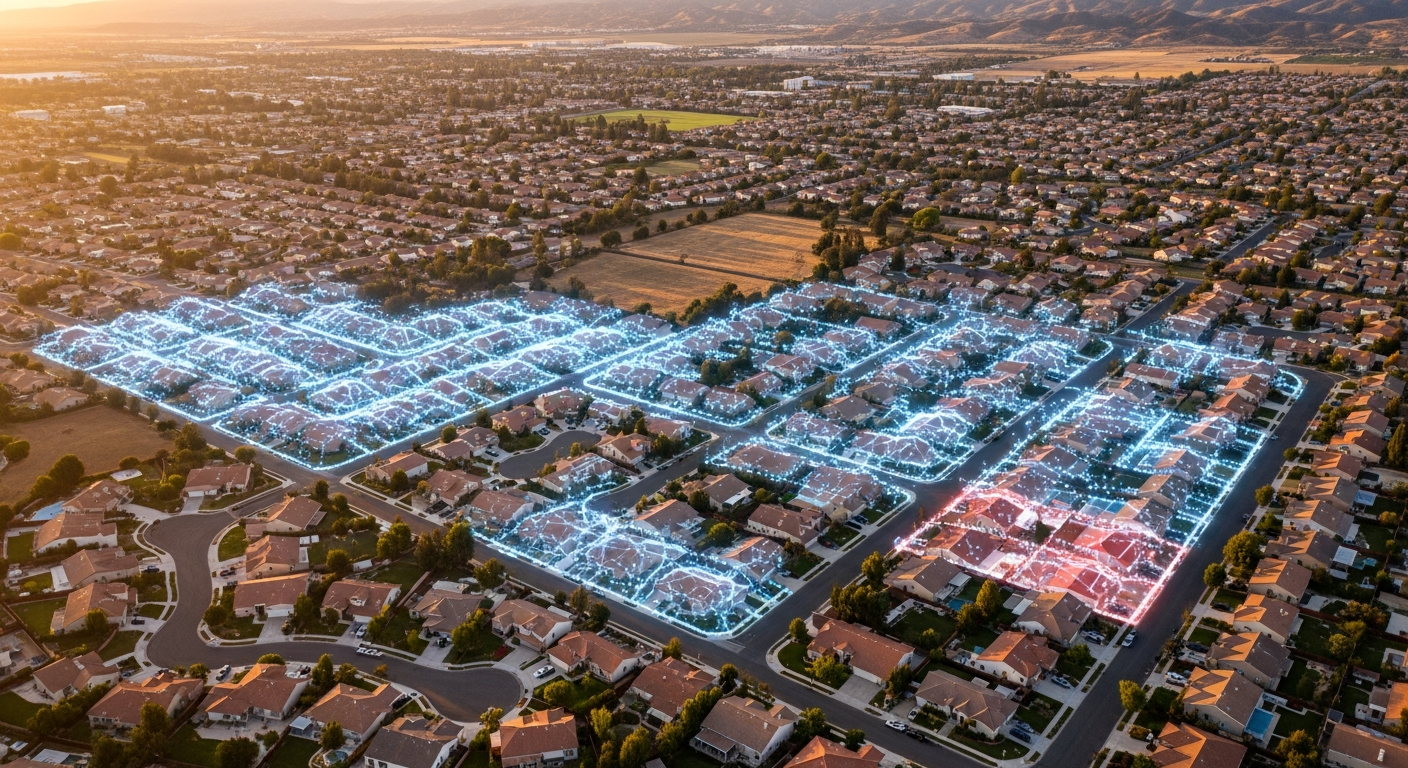
Community broadband initiatives are also gaining momentum. Several Inland Empire cities are exploring public-private partnerships to deploy fiber infrastructure that private carriers have been slow to build. These initiatives recognize that broadband access is essential infrastructure, on par with roads, water, and electricity, and that waiting for market forces alone to close the digital divide may take a decade or longer.
When we opened our distribution center in Beaumont, the only internet option was a 50 Mbps cable connection. Fixed wireless from BlueHouse delivered 500 Mbps dedicated service in under two weeks. We would not have been able to operate our warehouse management system on the cable connection.
— Operations Director, Inland Empire logistics company
Connecting the Inland Empire
BlueHouse Telecom is actively expanding fixed wireless coverage across the Inland Empire to serve businesses and communities that lack adequate broadband options. We work with municipalities, business parks, and individual organizations to deliver enterprise-grade connectivity where traditional infrastructure is unavailable. Contact us to check coverage availability for your Inland Empire location.
Build the Right Network for Your Business
From dedicated fiber and fixed wireless to SD-WAN and redundant failover, we design connectivity solutions that match your location, budget, and performance requirements.