

The Home Office Cybersecurity Trap: What Remote Workers in San Diego Get Wrong
Remote workers across San Diego assume their home network is safe because it is private. That assumption is one of the biggest cybersecurity risks facing modern businesses.
Marcus Sterling
October 23, 2025
San Diego has one of the highest rates of remote work adoption in the country. From the coastal communities of Encinitas and Del Mar to the suburban neighborhoods of Rancho Bernardo and Scripps Ranch, thousands of professionals work from home offices that connect to corporate networks, handle sensitive data, and access cloud applications every day. The vast majority of these home offices have cybersecurity protections that would be considered negligent in a corporate environment.
The problem starts with a fundamental misconception: the belief that a home network is inherently safe because it is private. In reality, most home networks are configured with default router passwords, outdated firmware, no network segmentation, and no monitoring of any kind. The same network that processes corporate financial data also serves smart home devices, gaming consoles, children's tablets, and every visitor who asks for the Wi-Fi password.
The Five Most Common Home Office Security Failures
First, the home router itself is often the weakest link. Consumer routers ship with default administrative credentials that are publicly documented. If the firmware has not been updated in the past 12 months, there are likely known vulnerabilities that have been patched in newer versions but remain exploitable on the home device. Second, there is no separation between work and personal devices on the network, meaning a compromised personal device can potentially access corporate resources on the same network segment.
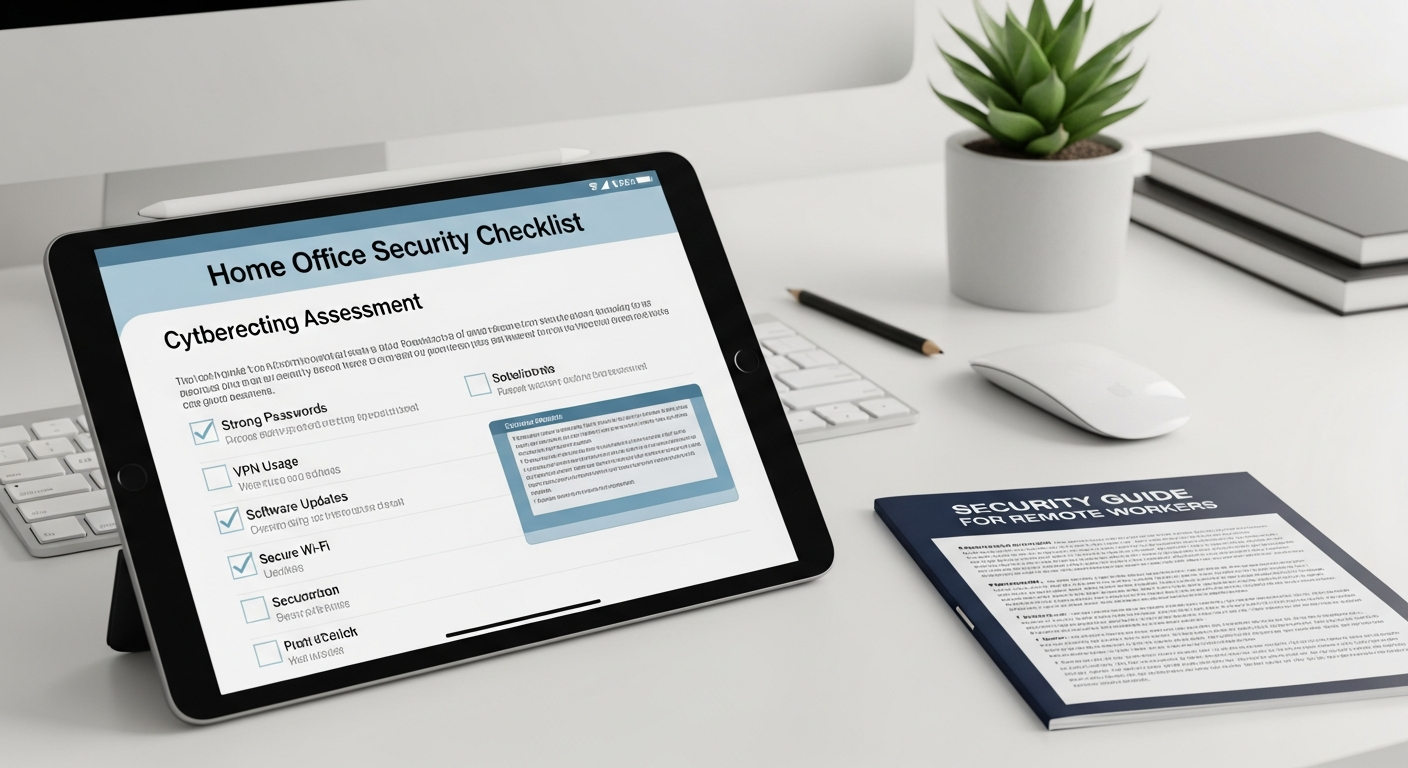
Third, many remote workers use personal email accounts or messaging apps for work communications, bypassing the security controls their company has in place for corporate channels. Fourth, USB drives and personal cloud storage services create data exfiltration paths that the company cannot monitor or control. Fifth, most home office setups lack any form of endpoint detection and response software, meaning a compromised machine can operate undetected for weeks or months.
We discovered that a ransomware attack on our corporate network originated from an employee's home router in Rancho Bernardo that had not been updated in two years. The attackers pivoted from the home network to our VPN connection.
— CISO, San Diego technology company
Securing the Remote Workforce
BlueHouse offers remote workforce security solutions that address these vulnerabilities without requiring employees to become cybersecurity experts. Our managed endpoint protection deploys on employee devices and provides real-time threat detection. Our secure access solutions ensure that remote connections to corporate resources are encrypted, authenticated, and continuously monitored. For businesses that want a higher level of protection, we can provide managed business-grade routers for remote employee homes that are configured, monitored, and updated by our team.
If your San Diego business has remote workers, your attack surface extends to every home office in your workforce. Contact BlueHouse for a remote workforce security assessment that identifies your exposure and maps a practical path to reducing it.
Protect Your Business Today
Cyber threats are evolving faster than most businesses can keep up. Schedule a free security assessment with our team to identify vulnerabilities and build a defense strategy tailored to your organization.