

Greener Networks: How Sustainable Telecom Benefits Your Business and the Environment
Sustainable network infrastructure reduces energy costs and carbon footprint simultaneously. Southern California businesses are discovering that greener telecom is also more cost-effective telecom.
Sloane Vance
January 28, 2026
Network infrastructure is one of the largest electricity consumers in any modern office building. Routers, switches, access points, servers, and uninterruptible power supplies operate continuously, consuming power and generating heat that requires additional cooling energy. For Southern California businesses facing some of the highest electricity rates in the nation, the energy cost of network operations is a significant and growing line item.
Sustainable telecom practices address this cost while simultaneously reducing environmental impact. Modern network equipment consumes significantly less power per unit of throughput than equipment from even five years ago. A current-generation enterprise switch that delivers 10 Gbps of throughput uses less electricity than a legacy switch that delivered 1 Gbps. Equipment refresh cycles that prioritize energy efficiency deliver both performance improvements and utility cost reductions.
Solar and Battery Integration
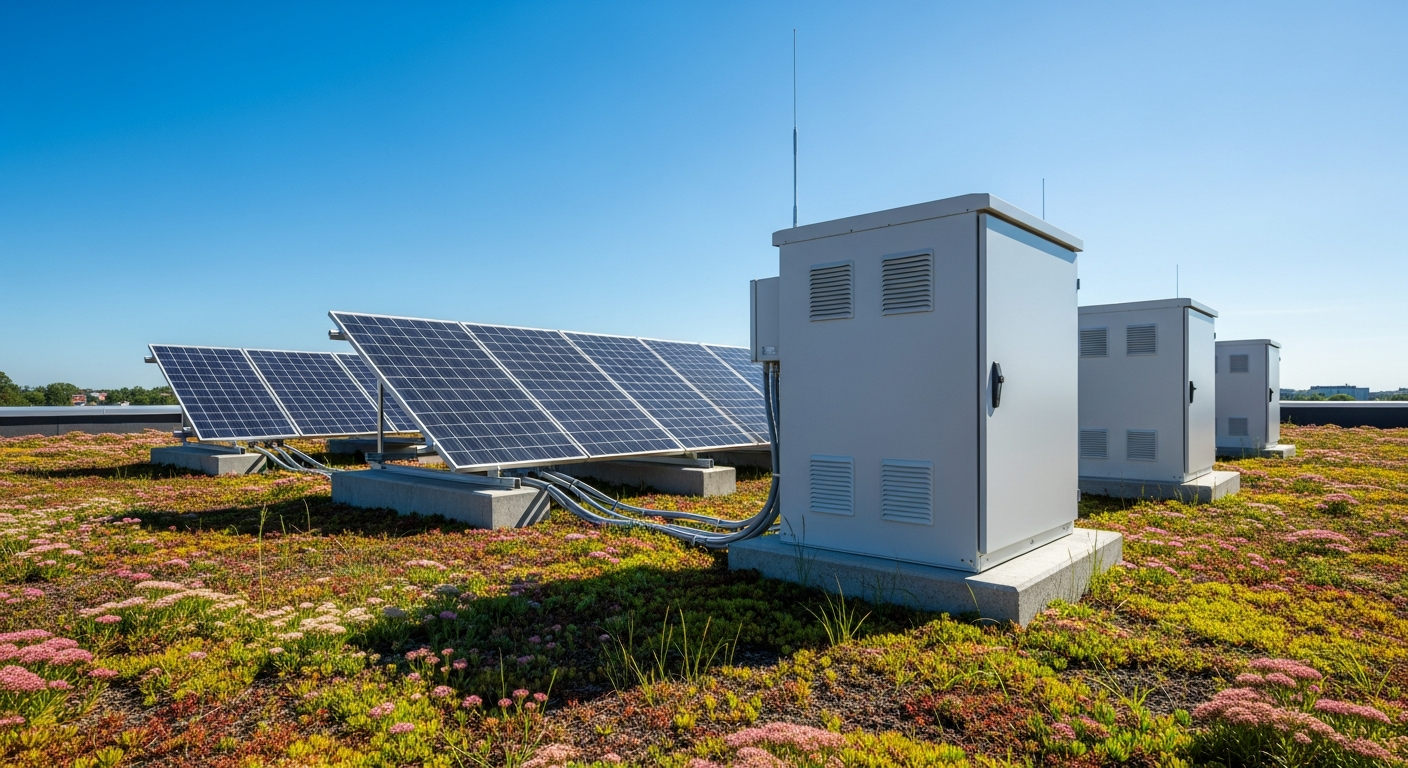
Southern California's abundant sunshine makes solar power integration with network infrastructure particularly practical. Solar-powered outdoor wireless access points and cellular repeaters eliminate the need for electrical conduit runs to remote equipment locations. Battery-backed solar installations also provide resilience during the power shutoffs that affect parts of San Diego, Riverside, and San Bernardino counties during high fire risk periods.
Virtualization and cloud migration further reduce the energy footprint of business networks. Moving workloads from on-premises servers to efficient cloud data centers can reduce the energy consumption attributable to your business by 60 to 80 percent. Cloud providers operate at scale efficiencies that no single business can match, using advanced cooling systems, renewable energy procurement, and server utilization rates that minimize waste.
Our network equipment refresh reduced our monthly electricity bill by over two thousand dollars at our Riverside office, and the solar-powered outdoor access points eliminated the need for three electrical conduit runs. The sustainability improvements paid for themselves within 18 months.
— Facilities Manager, Riverside distribution company
Sustainable Solutions from BlueHouse
BlueHouse Telecom designs energy-efficient network architectures for Southern California businesses. We evaluate your current infrastructure's energy consumption and recommend upgrades that reduce costs while improving performance. Contact us for a network sustainability assessment.
Build the Right Network for Your Business
From dedicated fiber and fixed wireless to SD-WAN and redundant failover, we design connectivity solutions that match your location, budget, and performance requirements.