

Data Sovereignty for Southern California Businesses: Where Your Information Actually Lives
Most Southern California businesses cannot answer a simple question: in which physical jurisdiction does your customer data reside? Data sovereignty has become a compliance and competitive concern that demands clear answers.
Sloane Vance
November 2, 2025
Data sovereignty refers to the principle that data is subject to the laws and governance of the country or jurisdiction in which it is physically stored. For Southern California businesses using cloud services, this principle raises important questions that many organizations have never considered. When your customer records are stored in a cloud application, where is the physical server? Is it in a data center in California, Virginia, Ireland, or Singapore? The answer determines which laws govern the protection and disclosure of that data, and it may affect your compliance obligations under CCPA, HIPAA, or industry-specific regulations.
The challenge is that most cloud service providers do not make data residency information readily apparent. Default configurations for popular SaaS platforms may distribute data across multiple regions for performance and redundancy. A CRM system's primary database might reside in the western United States, while backup replicas are stored in European or Asian data centers. Email archives might be processed through servers in one jurisdiction and stored in another. Without explicit data residency agreements, your organization has limited control over where its data travels.
Why Data Location Matters
The practical implications of data residency become apparent in three scenarios: regulatory compliance, contractual obligations, and legal discovery. Under CCPA and CPRA, California businesses must implement reasonable security measures for personal information and respond to consumer requests about data handling practices. If your data is stored in a jurisdiction with weaker privacy protections, your compliance posture may be compromised even if your California operations are fully compliant.
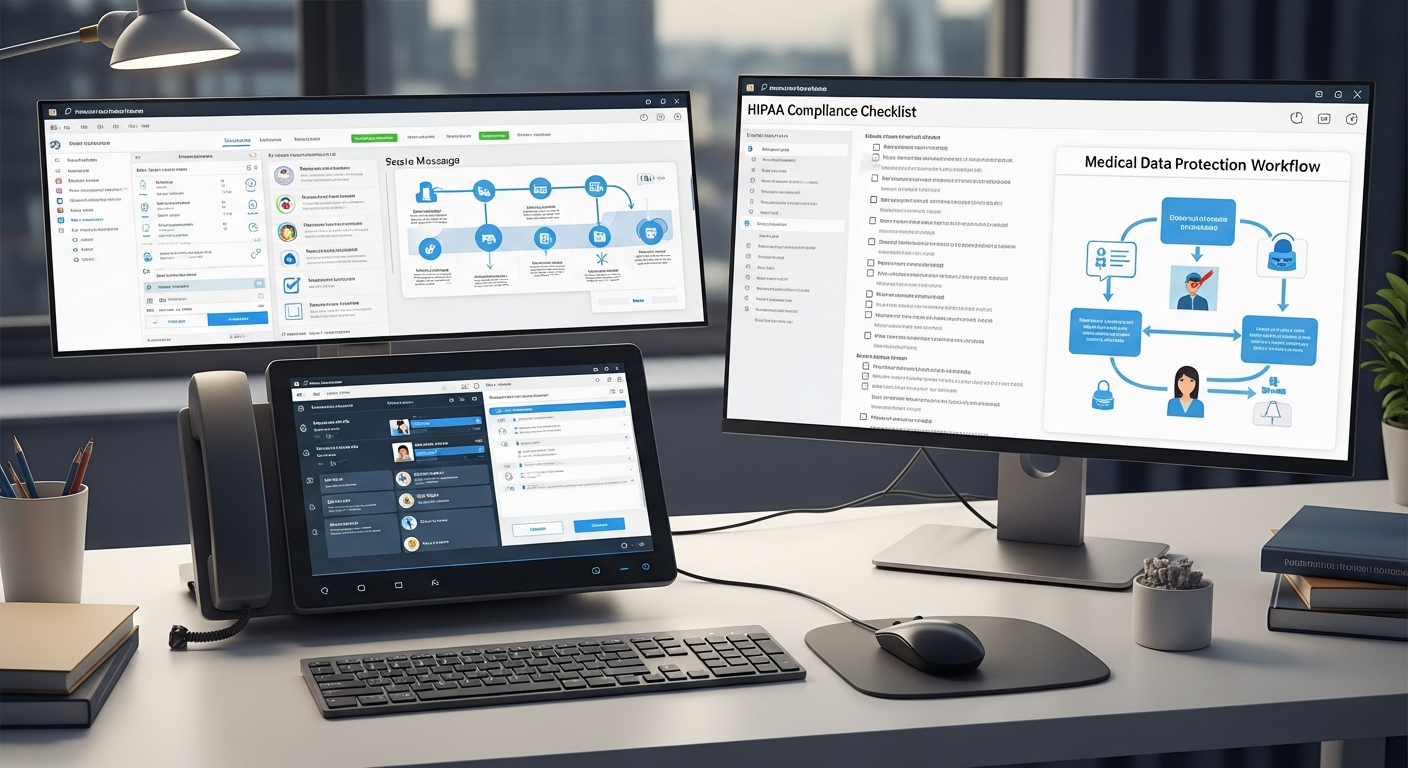
Contractual obligations add another layer. Government contracts, healthcare partnerships, and financial services agreements increasingly include data residency clauses that require sensitive information to remain within the United States or within specific states. A Southern California defense contractor who stores controlled unclassified information in a cloud platform with servers outside the U.S. may be violating DFARS requirements. A healthcare organization storing patient data on servers outside the U.S. may face HIPAA implications.
We assumed our cloud provider stored everything in the United States. A compliance audit revealed that database backups were replicating to a European data center, which created issues under our government contract's data residency requirements. We had to renegotiate our cloud configuration immediately.
— Compliance Officer, San Diego defense contractor
Establishing Data Residency Control
BlueHouse Telecom helps Southern California businesses assess and control their data residency posture. We evaluate your cloud services for data location, configure data residency settings to meet compliance requirements, and implement monitoring to ensure data stays within approved jurisdictions. Contact us for a data sovereignty assessment for your organization.
Protect Your Business Today
Cyber threats are evolving faster than most businesses can keep up. Schedule a free security assessment with our team to identify vulnerabilities and build a defense strategy tailored to your organization.