
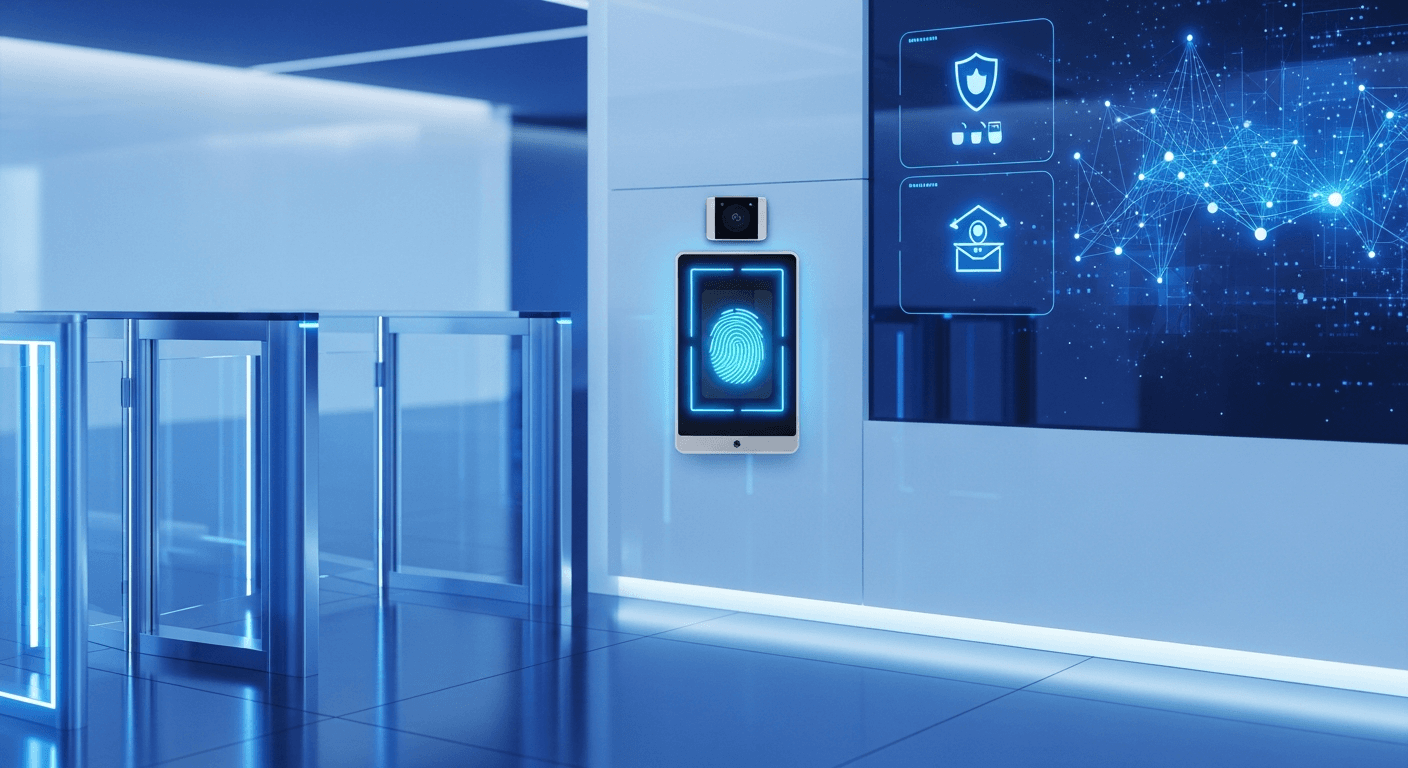
Biometric Access Control: Strengthening Physical and Digital Security Together
Badges can be stolen and passwords can be shared, but biometric identifiers are inherently tied to individual users. Integrating biometric access with network security creates a unified defense.
Sloane Vance
February 5, 2026
Traditional access control systems rely on something you have, like a badge or key card, or something you know, like a PIN or password. Both of these factors can be shared, lost, or stolen. Biometric access control adds something you are, such as a fingerprint, facial geometry, or iris pattern, creating an authentication factor that is inherently tied to the individual and cannot be casually shared with a colleague or stolen by an attacker.
For Southern California businesses, the convergence of physical and digital security through biometrics offers significant advantages. A single biometric enrollment can control building access, workstation login, and network authentication simultaneously. When an employee badges into your Irvine office with a fingerprint scan, the system can automatically unlock their workstation and authenticate their network session, creating a seamless experience with stronger security than traditional methods.
Biometric Technology Options
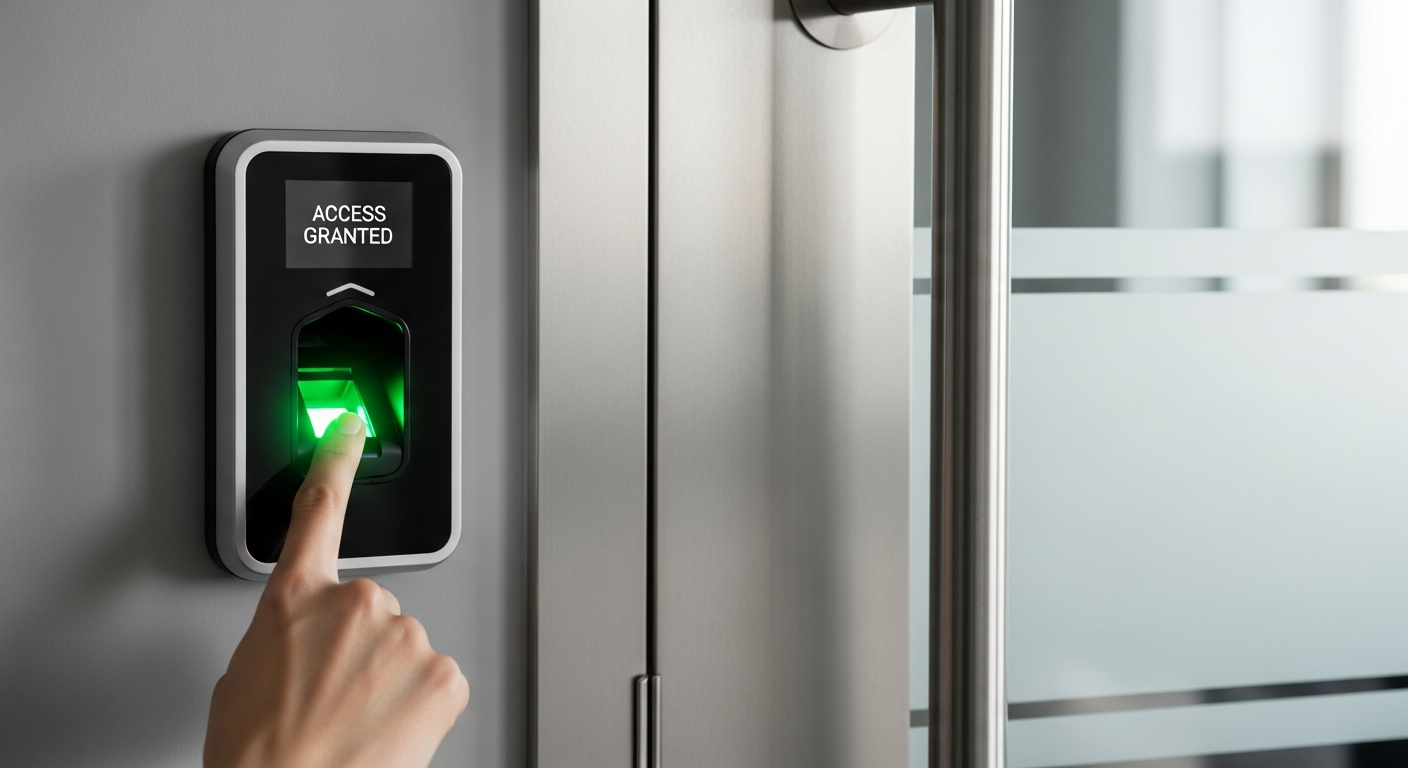
Fingerprint recognition remains the most widely deployed biometric technology for business environments, offering a balance of accuracy, speed, and cost. Modern capacitive fingerprint sensors are highly reliable and difficult to spoof. Facial recognition is gaining adoption in environments where hands-free access is preferred, such as manufacturing floors and healthcare facilities where workers wear gloves. Each technology has specific strengths that match different operational requirements.
Privacy considerations are important when deploying biometric systems. California's privacy laws impose specific requirements on the collection and storage of biometric data. Businesses must provide clear notice about what biometric data is collected, how it is stored, and how long it is retained. Working with a knowledgeable implementation partner ensures compliance with California's privacy requirements while maximizing the security benefits of biometric technology.
Integrating biometric access with our network authentication at our three Orange County locations eliminated badge sharing and unauthorized access entirely. We know exactly who is in each facility and who is logged into each system at all times.
— Security Director, Orange County pharmaceutical company
Biometric Solutions from BlueHouse
BlueHouse Telecom integrates biometric access control with network security systems for Southern California businesses. We design solutions that comply with California privacy requirements while providing seamless, strong authentication across physical and digital environments. Contact us for a biometric security consultation.
Protect Your Business Today
Cyber threats are evolving faster than most businesses can keep up. Schedule a free security assessment with our team to identify vulnerabilities and build a defense strategy tailored to your organization.